
Warner Pacific University has a long and blessed history. It is the only Church of God institution of higher education located on the West Coast. Each president in succession has helped to further define its spiritual and educational mission, having a lasting impact on the university and its students.
Christina M. Schnyders, Ph.D. (2026-)
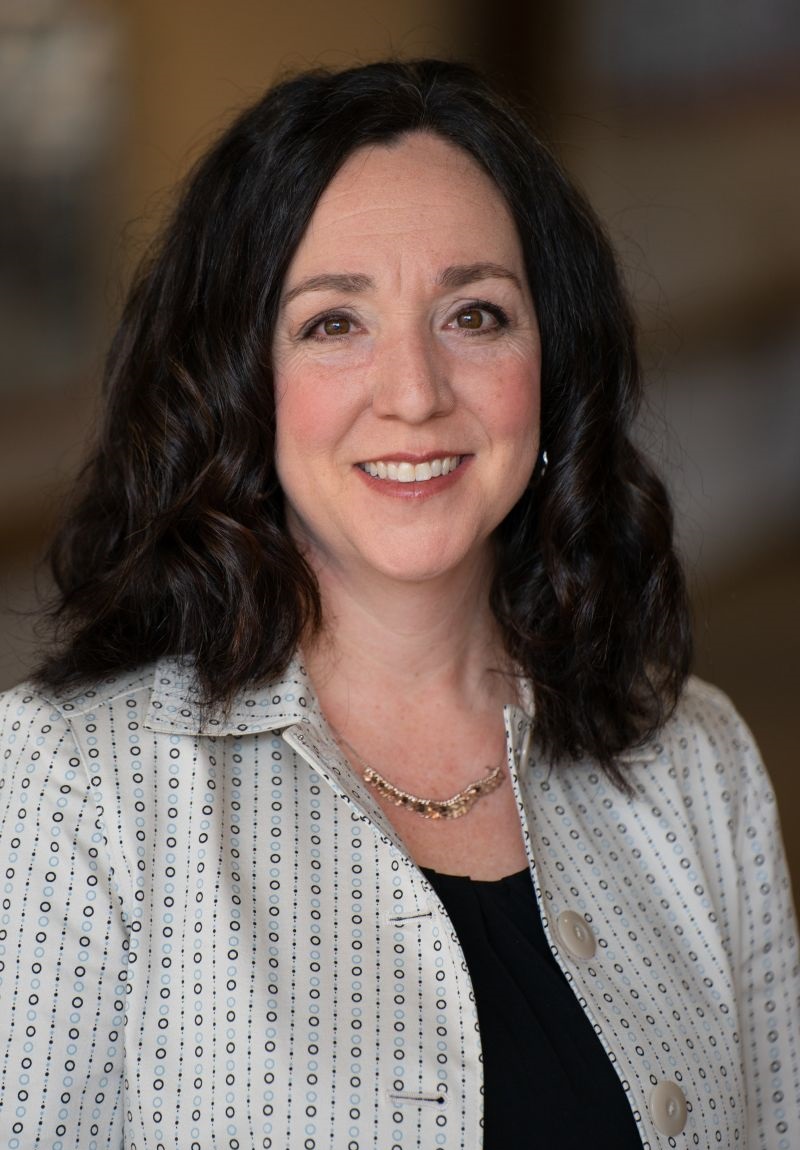 Dr. Christina Schnyders became the ninth president of Warner Pacific University in 2026. Previously, she was the first female to serve as provost at Malone University. Dr. Schnyders is a licensed professional clinical counselor and a professor of counseling and human development. She began her career in higher education as the worship ministries coordinator at Simpson University before obtaining a master’s degree in Clinical and Pastoral Counseling from Ashland Theological Seminary. Later, Dr. Schnyders earned a Ph.D. in Counseling and Human Development Services from Kent State University, where she also helped launch a graduate program in counseling. She served at Malone University for 19 years in the positions of Resident Director, Career Counselor, Tenured Professor, Director of the Graduate Counseling program, Faculty Chair, and Provost. In 2020, the Ohio Association for Counselor Education and Supervision (OACES) named Dr. Schnyders as the Ohio Counselor Educator of the Year.
Brian L. Johnson, Ph.D. (2020-2025)
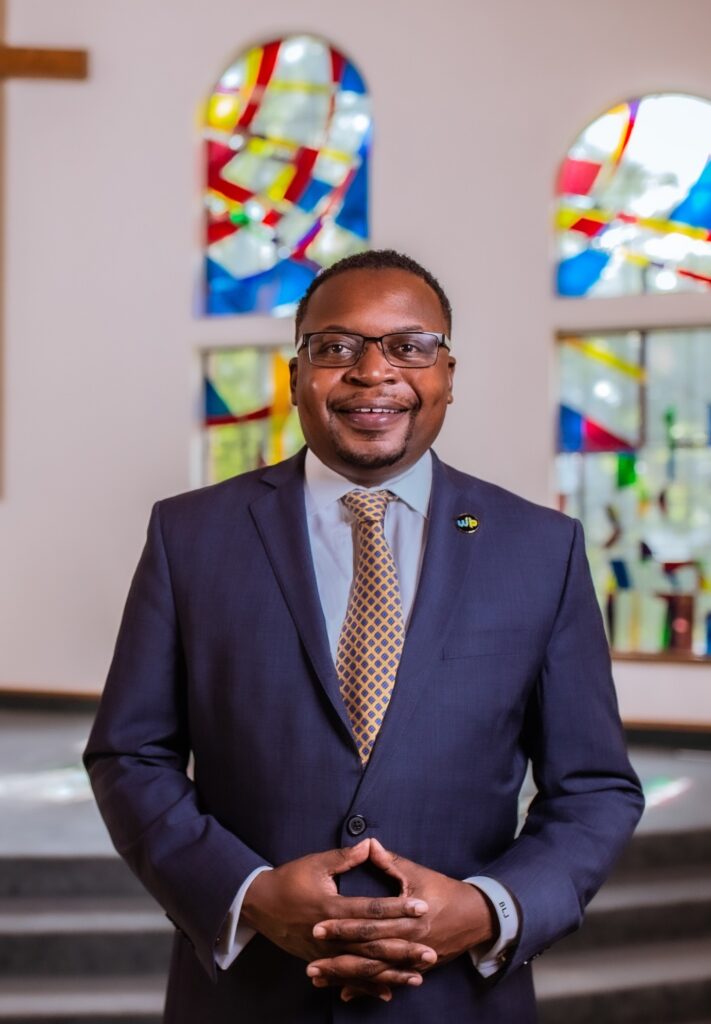 Dr. Brian L. Johnson became the eighth president of Warner Pacific University in 2020, and he served as president until 2025. He was the first minority president in the university’s 83-year history. Dr. Johnson led the university through the difficult years of COVID. He re-established connections with the Church of God and began to emphasize the university’s Pastoral Studies program once again. Under Dr. Johnson’s leadership, Warner Pacific University was awarded $6.2 million in grants from the U.S. Department of Education.
Andrea P. Cook, Ph.D. (2008-2020)
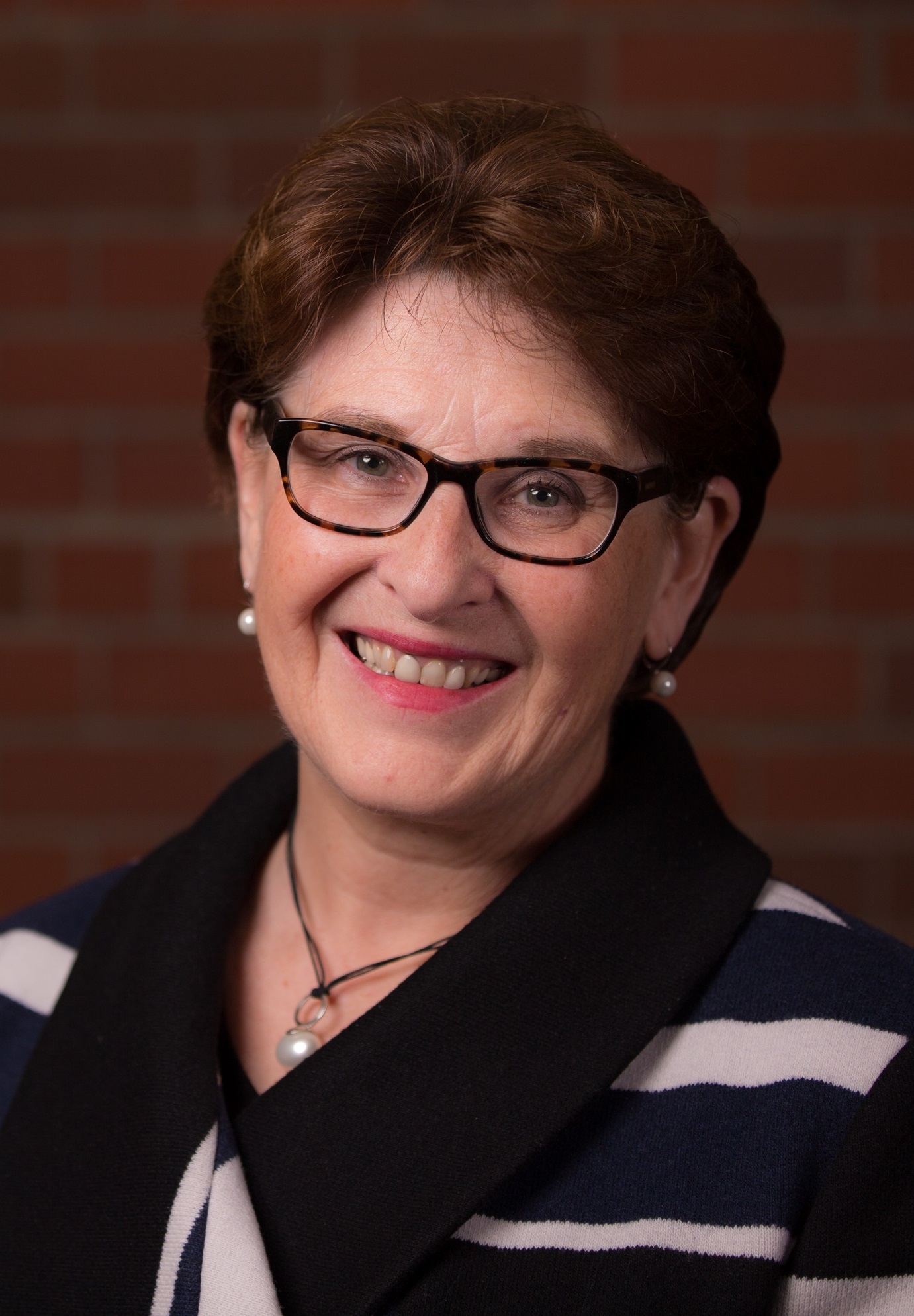 Dr. Andrea P. Cook became the seventh president of Warner Pacific College in 2008. She was the first female president in the college’s 71-year history. In 2018, Warner Pacific College changed its name to Warner Pacific University to better reflect its growth and development as an institution of higher education and to recognize the broader range of academic programs being taught. The university was also able to reduce its tuition and fees by 23% for the second time in its history. Under Dr. Cook’s leadership, WPU became the first federally-recognized Hispanic Serving Institution (HSI) of higher education in Oregon. The Oregon State Board of Nursing also approved WPU’s Bachelor of Science in Nursing Degree. Dr. Cook retired from Warner Pacific University in 2020.
Dr. Cook has served on the following boards:
- College of Idaho
- Council of Christian Colleges and Universities
- National Association of Independent Colleges and Universities
- North American Coalition for Christian Admissions Professionals
- The Oregon Campus Compact (ORCC)
- The Stewardship Foundation
- University of Western States
- Volunteers of America Oregon
Jay A. Barber, Jr. (1996-2008)
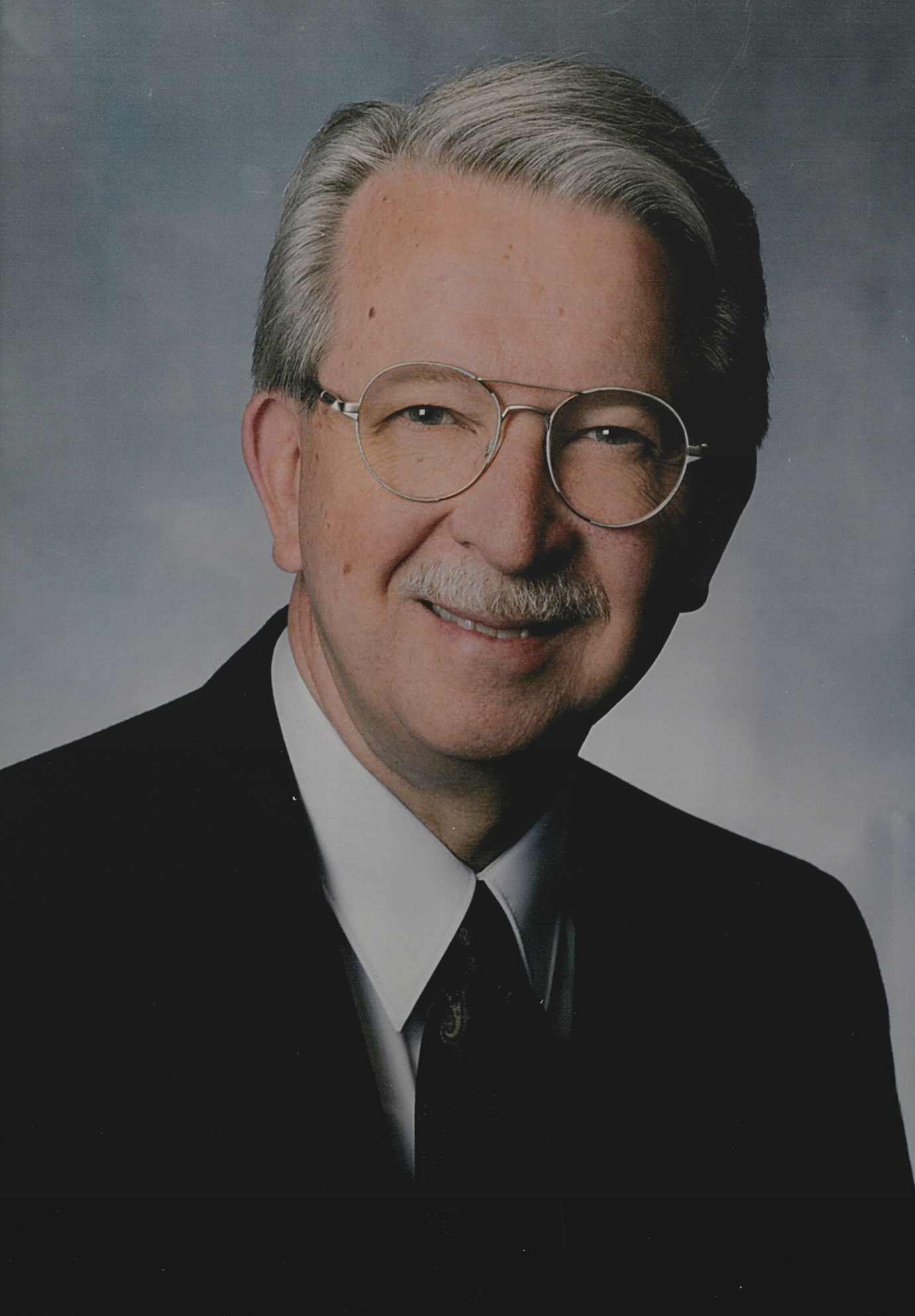 Rev. Dr. Jay A. Barber became the sixth president of Warner Pacific College in 1996. Dr. Barber had previously been a Vice President at Warner Pacific College from 1981-1988. After leaving WPC the first time, he joined the Oregon Health and Science Foundation and was later appointed Director of the Foundation. Upon returning to WPC, one of Dr. Barber’s first goals was to reinstate the intercollegiate athletics program, which had been discontinued in 1993. He hired alumnus Bart Valentine in 1999 to accomplish that goal. Under Dr. Barber’s leadership, WPC became completely debt-free for the first time in its 70-year history; the Degree Completion Program was re-branded as the Adult Degree Program and its enrollment increased; tuition and fees were able to be reduced by 23%; and the college also began a $5.5 million campus commons improvement project.
After retiring from Warner Pacific College in 2008, Dr. Barber continued to serve the Lord. He was appointed the first Senior Fellow with the M.J. Murdock Charitable Trust; served as a teaching pastor for Sunset Presbyterian Church in Beaverton, Oregon; and elected mayor of Seaside, Oregon. During his lifetime, Dr. Barber has also served as board chair for Mercy Corps International; board chair for Helping Hands Reentry; board chair for Responder Life; board member of Mt. Hood Community College; and pastored a church in California.
Marshall K. Christensen, Ph.D. (1981-1996)
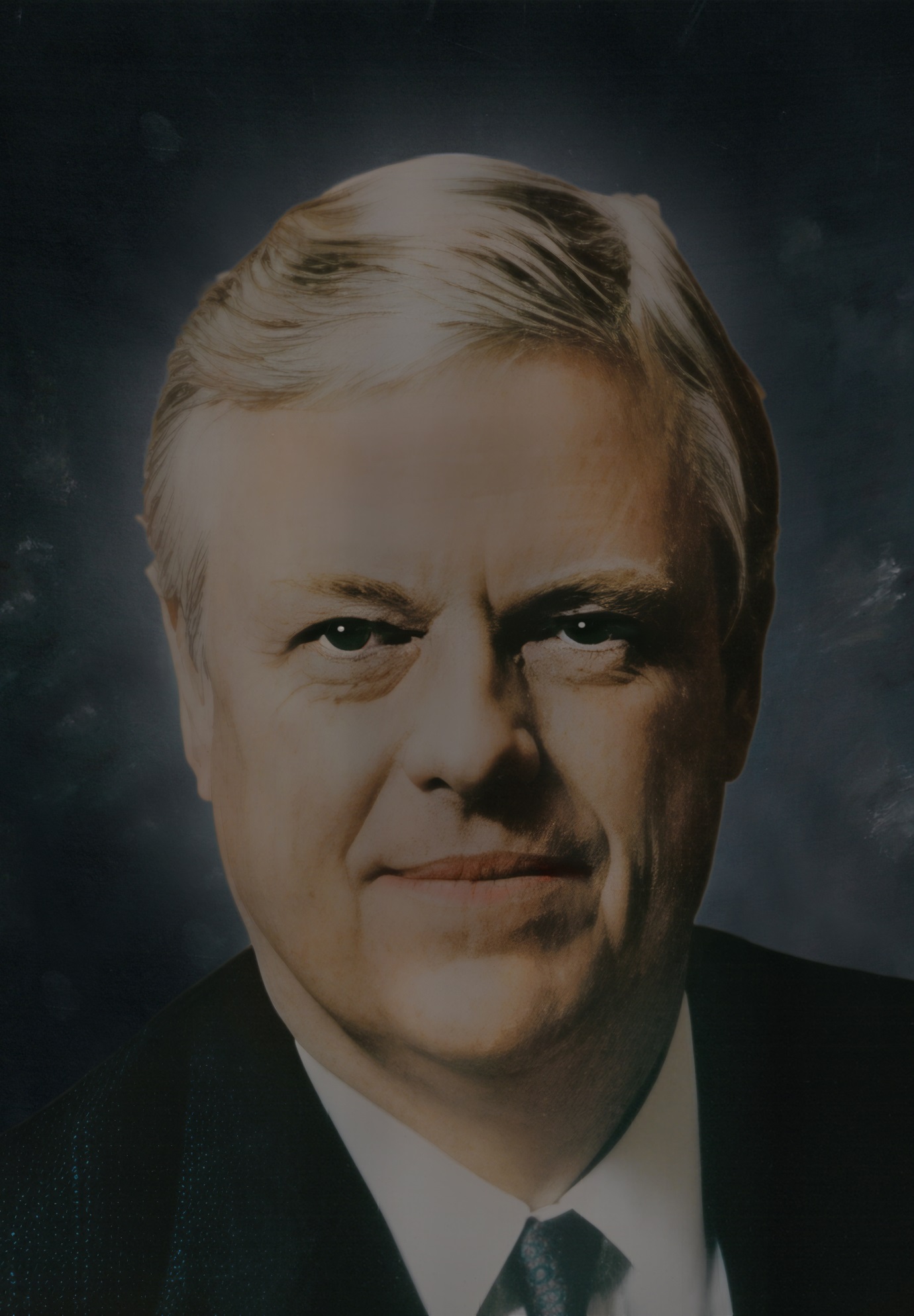 Dr. Marshall K. Christensen became the fifth president of Warner Pacific College in 1981. Dr. Christensen was a Fulbright Scholar at the University of Heidelberg in Germany. Just a few months in to Dr. Christensen’s presidency, the Pearl Lewis Building was re-dedicated as the A.F. Gray Hall administration building. During his first fall semester as president, Dr. Christensen instituted the student welcome tradition of planting an “Oak of Righteousness” tree on campus. Warner Pacific College was accepted as a member of the Christian College Consortium in 1981. The men’s residence hall was remodeled and renamed Warman Hall (1986). Also in 1986, students initiated “Bethlehem Inn,” which operated as a completely student-managed, temporary shelter for Portland’s homeless families. The Bethlehem Inn program earned WPC an “Institutional Award” from the Church of God’s Commission on Social Concerns in 1989. In 1988, WPC entered an agreement with Amvic, a Japanese educational enterprise (later known as GEOS), to develop an Asian Cultural Center. In 1992, H.A. Schlatter Memorial Prayer Chapel was completed near the location of the original “Old Main” building. In 1993, Warner Pacific University ended its intercollegiate athletics program. After serving three five-year terms as president, Dr. Christensen announced that he would retire from Warner Pacific College.
After retiring from Warner Pacific College, Dr. Christensen accepted the position of Provost of East Kazakhstan State University in Oskemen, Kazakhstan. He has also served as president of Co-Serve International (a non-profit organization dedicated to forming cultures of servant leadership at places of learning around the world), and as a professor of history at Kazakh-American Free University (KAFU) in Oskemen, Kazakhstan.
Milo L. Chapman, Th.D. (1957-1962; 1979-1981)
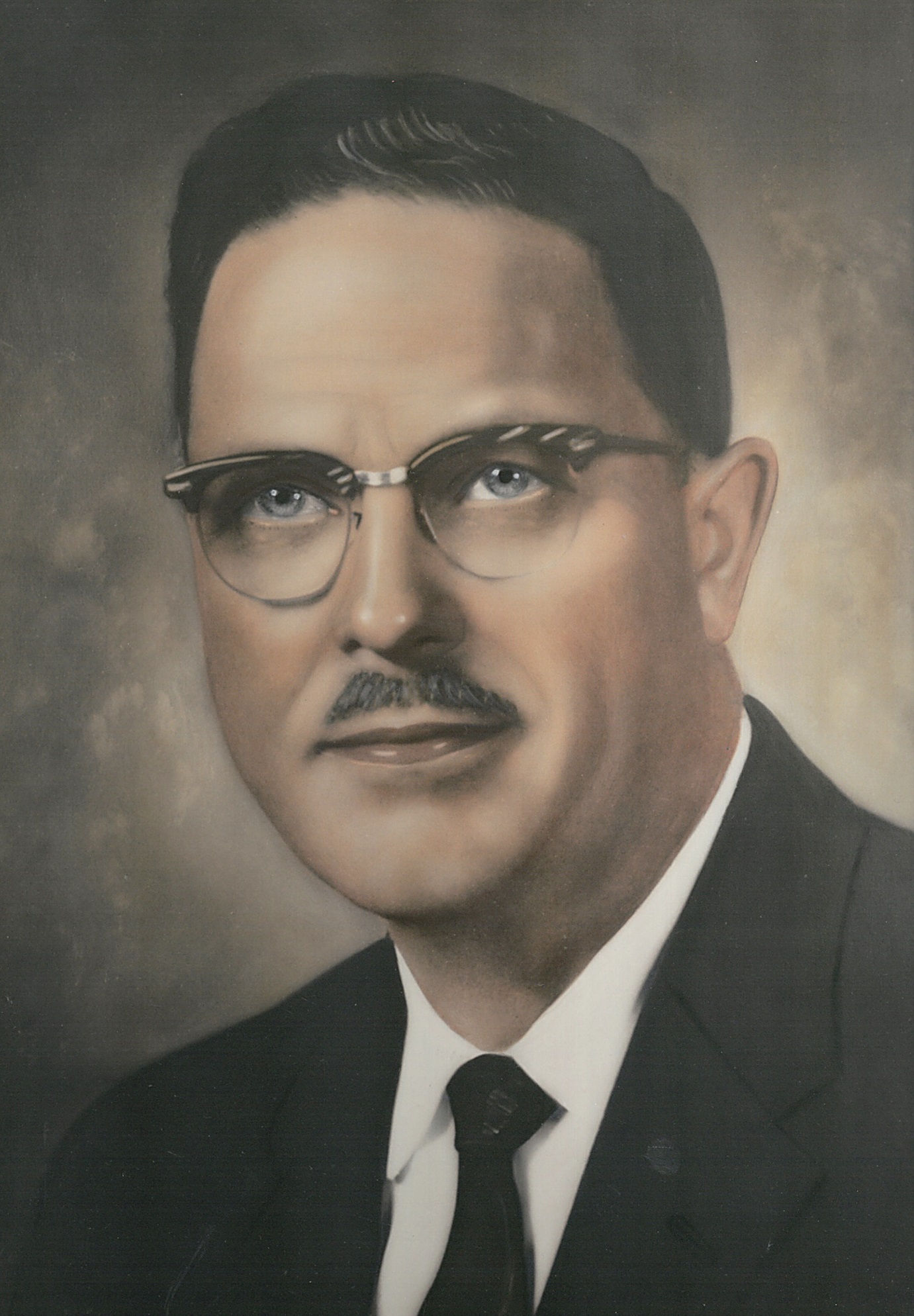 In 1979, Rev. Dr. Milo L. Chapman returned to his familiar role as president of Warner Pacific College. The first computer was installed at WPC at this time. Dr. Chapman served his second term as president until 1981.
E. Joe Gilliam, L.H.D. (1966-1979)
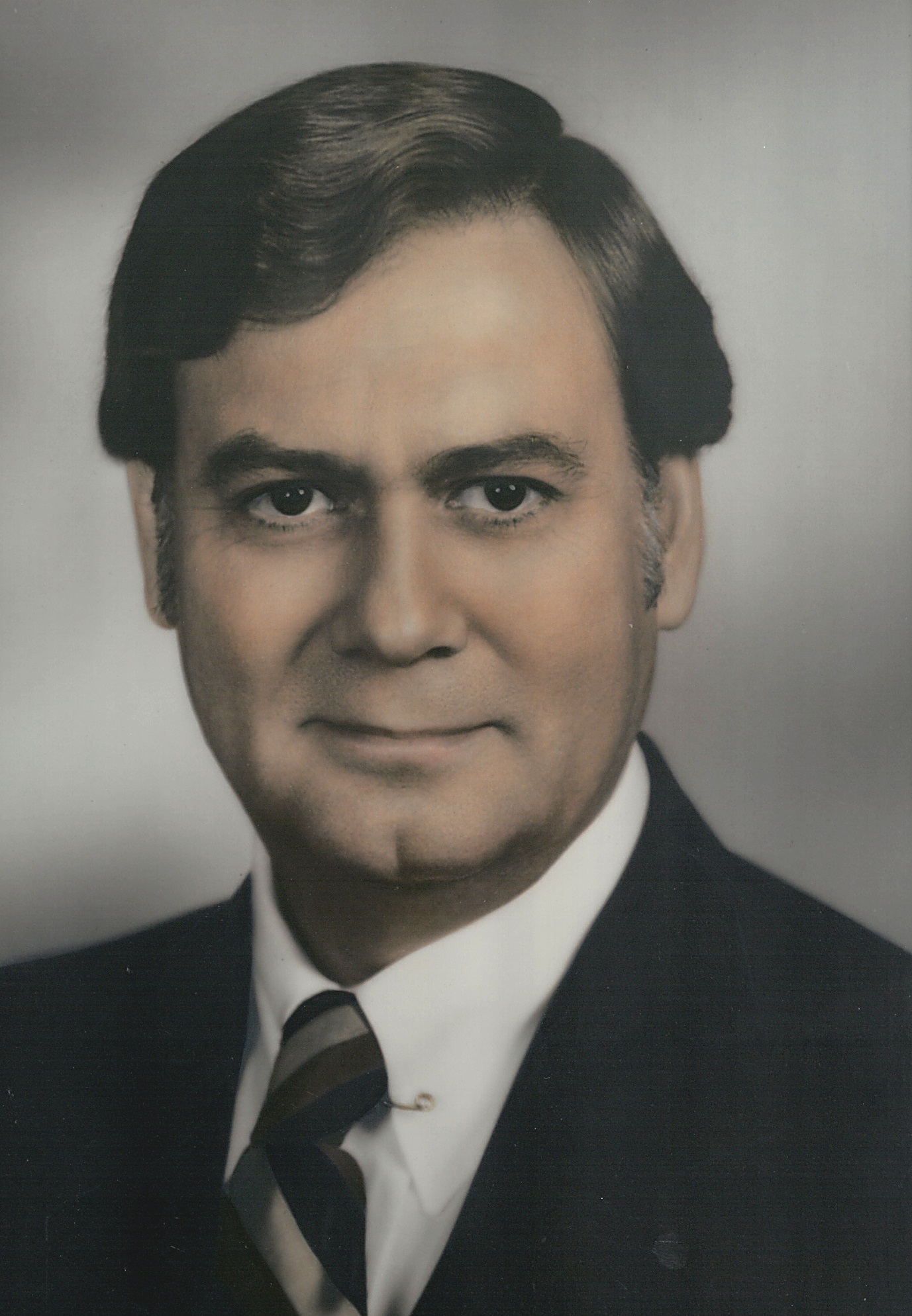 Dr. Gilliam was an alumnus of Pacific Bible College. After graduation he served as pastor for two Midwestern churches. In 1966, Dr. Gilliam returned to Warner Pacific College to become its fourth president. Anderson University (Indiana) awarded him an honorary doctorate in 1971.
During his time as president, Dr. Gilliam oversaw the opening of the Gotham science building (1969), the demolition of the Old Main building (1969), and the construction and opening of McGuire Auditorium (1976). President Gerald Ford gave Warner Pacific College’s commencement address in the new auditorium on May 23, 1976. Dr. Gilliam retired from Warner Pacific College in 1979.
After retiring from Warner Pacific College, Dr. Gilliam founded the Institute for Christian Leadership in the 1980s. The ICL published Faculty Dialogue which was a journal focused on Christian higher education. He left the Institute for Christian Leadership in 1995.
Louis F. Gough, D.D. (1962-1966)
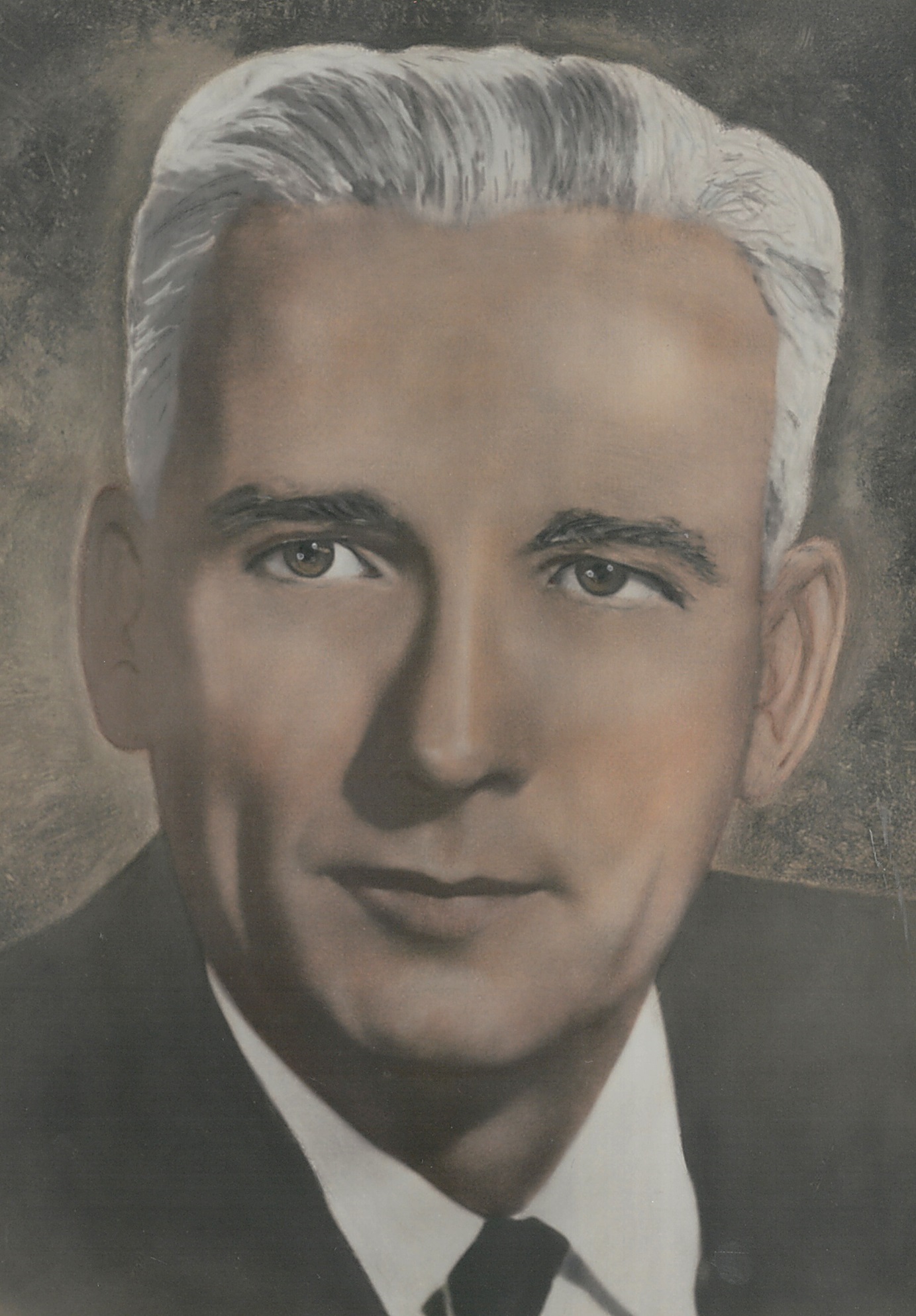 Rev. Dr. Louis F. Gough became the third president of Warner Pacific College in 1962. Under his leadership WPC attained full accreditation from the Northwest Association of Secondary and Higher Schools in 1964. The college also opened Smith Hall, a four-floor dormitory named in honor of Lillian Odell Smith. Dr. Gough retired from Warner Pacific College in 1966.
Milo L. Chapman, Th.D. (1957-1962; 1979-1981)
Rev. Dr. Milo L. Chapman became the second president of Pacific Bible College when Dr. A.F. Gray retired in 1957. In 1959, Pacific Bible College changed its name to Warner Pacific College to honor Daniel Sidney Warner, who helped lead a reform movement which established the Church of God denomination. Dr. Chapman oversaw the construction of the gym and the college’s admittance to the National Association of Intercollegiate Athletics (NAIA). He was also instrumental in helping WPC obtain its first accreditation by the Northwest Association of Secondary and Higher Schools. Dr. Chapman continued to serve the college after leaving his role as president, and he eventually resumed the role of college president for two more years between 1979 and 1981.
Alfred F. Gray, Th.D. (1937-1957)
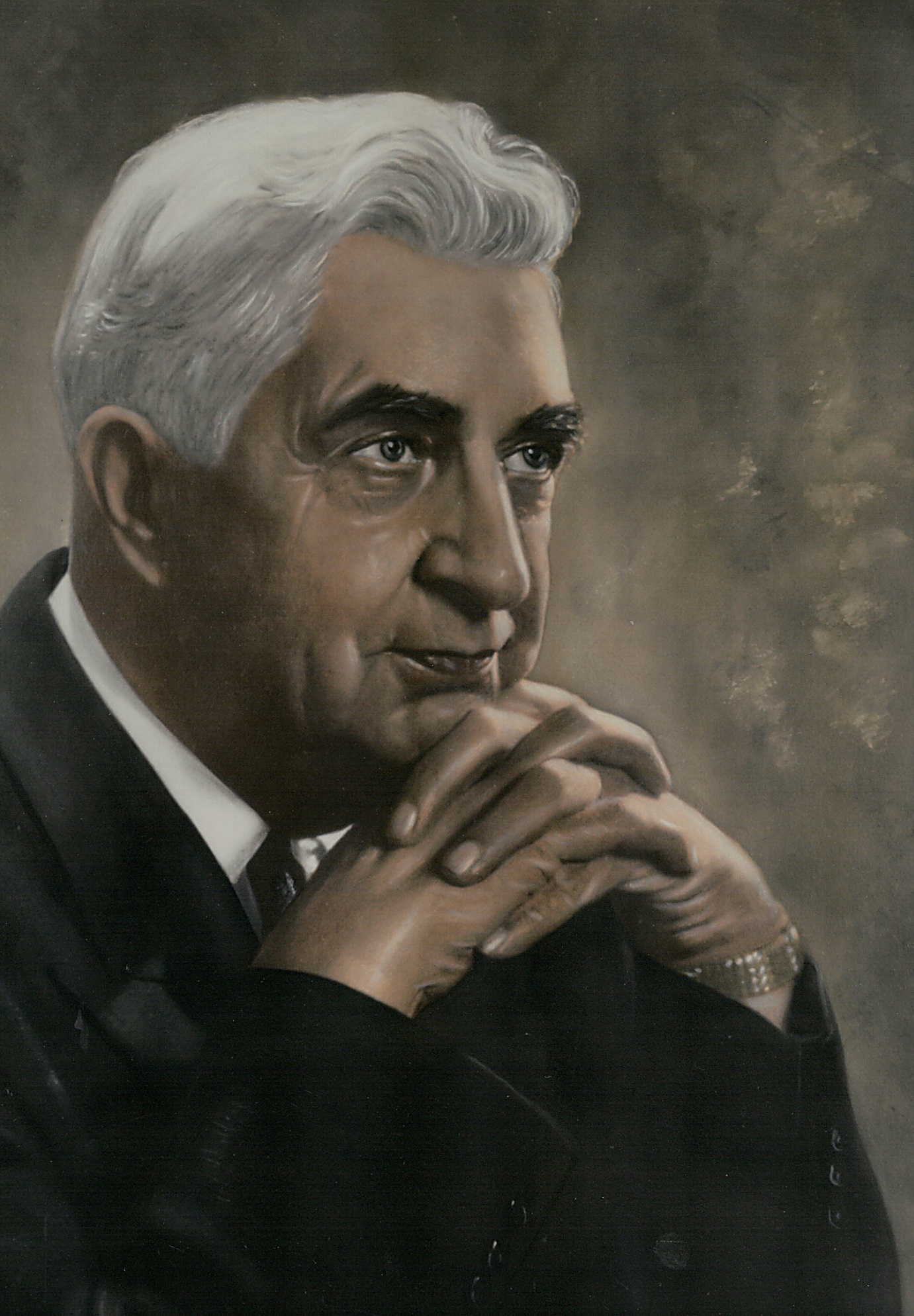 Dr. A.F. Gray was the founding president of Pacific Bible College when it opened in Spokane, Washington, in 1937. In 1940, Dr. Gray purchased two acres of land on the south side of Mount Tabor in Portland, Oregon, for $14,000 and led the effort to relocate the college from Spokane to Portland. In 1947, he oversaw the construction of a women’s dormitory named the Pearl Lewis Building (renamed A.F. Gray Hall in 1981). He was president when the college’s choir went on its first tour to Anderson, Indiana, and he dedicated the Otto F. Linn Library in 1954. By the time Dr. Gray retired in 1957, students from twenty-six states and six countries attended PBC. After retiring from Pacific Bible College, Dr. Gray moved to Africa to serve as a missionary for the Church of God.