
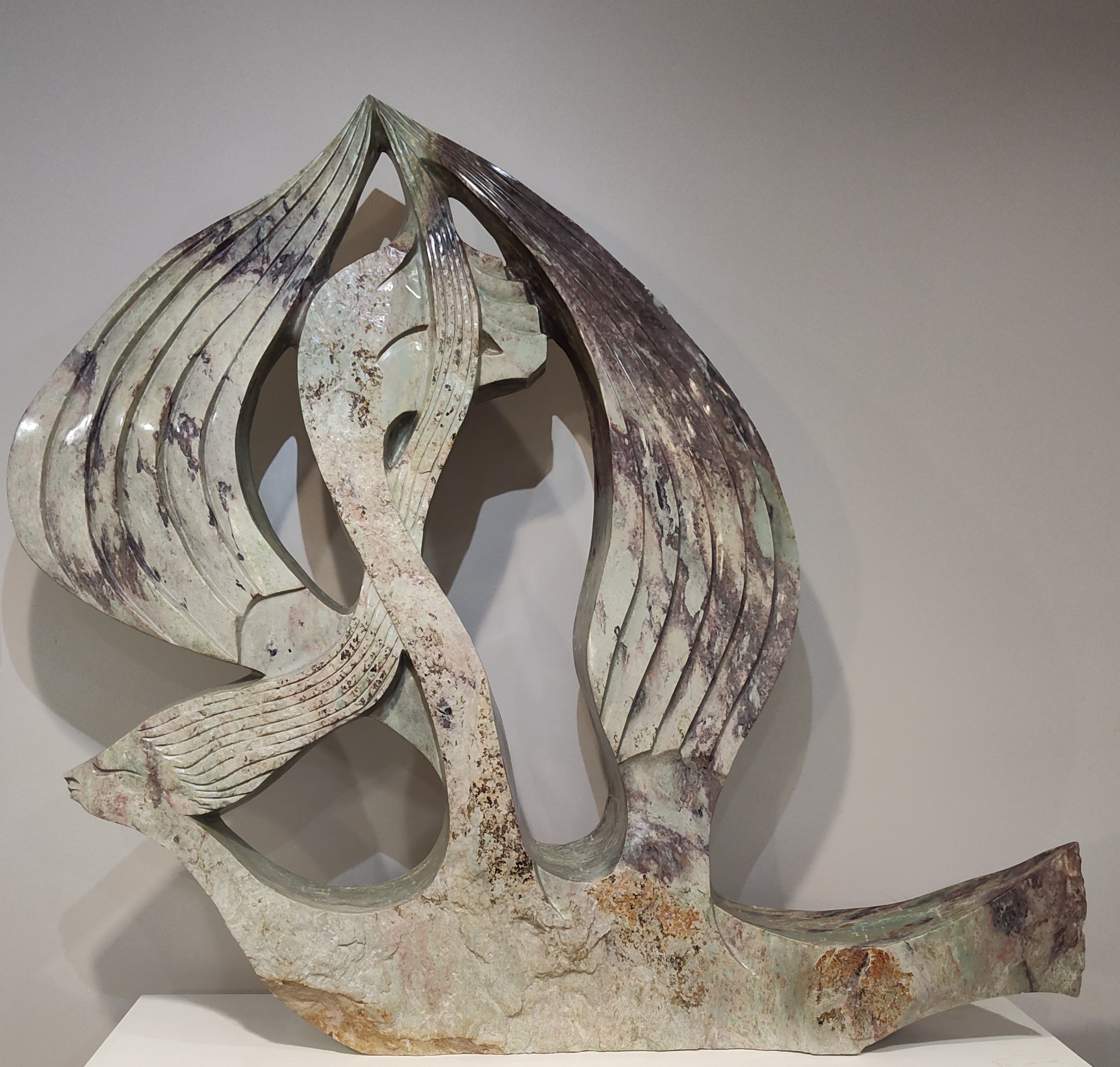
Artist: Tafunga Bonjisi
Zimbabwe
April 6, 1982
Sculpture: Angel of Peace
Installation: December 4, 2012
Location: Egtvedt Hall, Second Floor
Cobalt Stone
900 lbs., 57” x 67” x 8”
Angel of Peace, an abstract interpretation, was given to Warner Pacific College by David and Marilyn Nasman, in loving memory of David’s late wife, Dorothy Ann Nasman (May 7, 1937 – February 29, 2004). David, who previously served as Chair of the Board of Trustees of the College, donated the Angel of Peace sculpture as a way of connecting Dorothy’s legacy to the bright future that he sees for the institution and its students.
The name Zimbabwe means “stone houses” and celebrates the country’s ancient tradition of stonework. From the 11th to the 15th centuries, formerly scattered groups of Nguni speaking peoples built one of the world’s greatest architectural wonders known as Great Zimbabwe. From this sprawling stone empire, much of which still stands today, indigenous Zimbabweans developed one of the most sophisticated agricultural, mining and trading societies of its time. In an effort to revive this rich history, a small group of Zimbabwean artists returned to stonework in the 1950s. More than half a century later, the Zimbabwean sculpture movement continues to gain momentum.
Despite starting out in the shadow of his more famous brother, Lameck, Tafunga’s work has attracted many followers since he began as an independent artist in 2000. His work is dynamic and fluid; his stylized figures have graceful forms and elegant faces. His greatest inspiration was the legendary sculptor Nicholas Mukomberanwa, who served as Lameck’s teacher. These two generations of great stone sculptors have shaped Tafunga’s career, and he has maintained their emphasis on style and quality.
Although sculptors in Zimbabwe have access to a wide range of modern tools, many continue to rely on traditional hand methods. Standard tools include mallets, punches, chasing hammers, rasps and sandpaper. A sculpture can take weeks or months to complete, depending on the stone type and inspiration of the induvial artist. The stone is first worked and roughly shaped with a mallet and punch. More refined detail and lines are created with chasing hammers and rasps. Final surfaces, textures and lines are generated by days of tedious hand sanding. Many sculptors apply a clear, carnauba-based wax to enhance the stone’s natural colors and highlight the striking contrast between polished and raw surfaces.
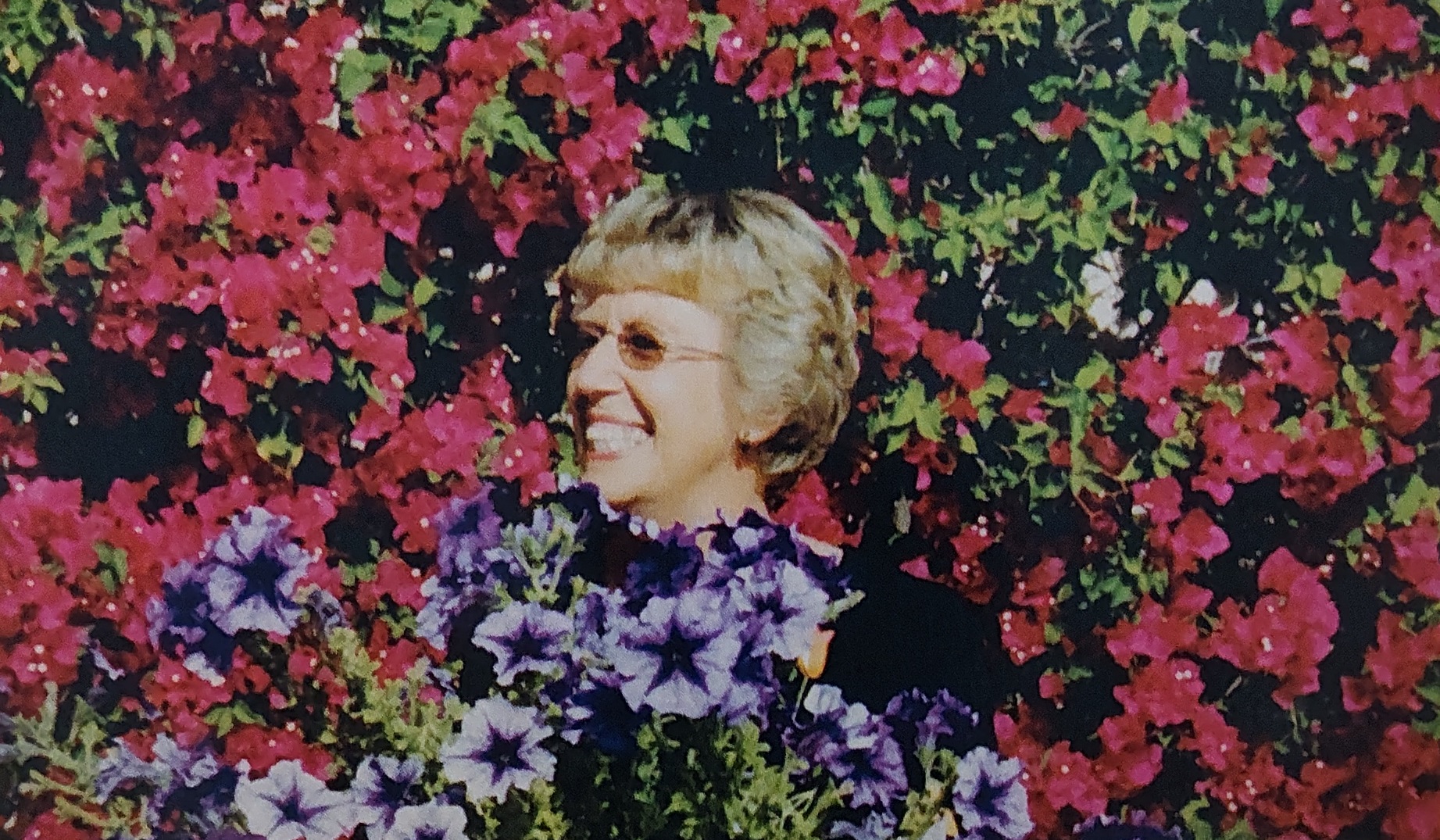
Dedicated in loving memory of
DOROTHY ANN NASMAN
by David and Marilyn Nasman
Dorothy was the consummate wife, mother and grandmother who showed warmth and love to everyone that she met. This sculpture was donated in Dorothy’s memory to Warner Pacific College as a way of connecting her legacy to the bright future of the institution and its students.