
These artifacts and pictures from the Holy Land were generously donated to WPU by Reverend Richard L. Swank.
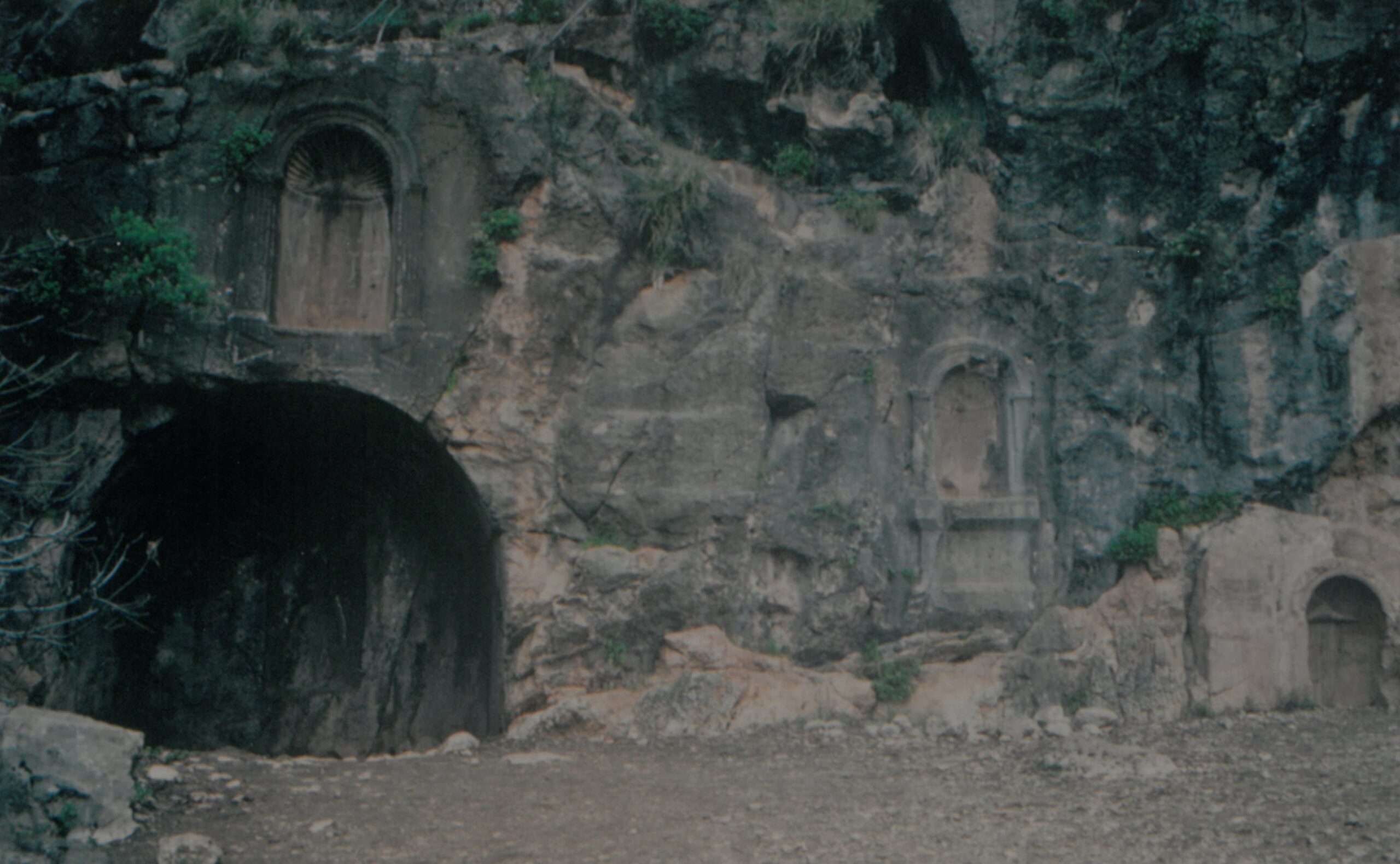
1. Caesarea Philippi (picture only): The “gates of hell” were located at a site associated with the pagan god Pan. It was here that Peter declared Jesus to be the Son of the living God (Matthew 16:13-20).
2. Mortar and Pestle (display case only): The Israelites used mortar and pestles to prepare mana to eat in the wilderness (Numbers 11:8).
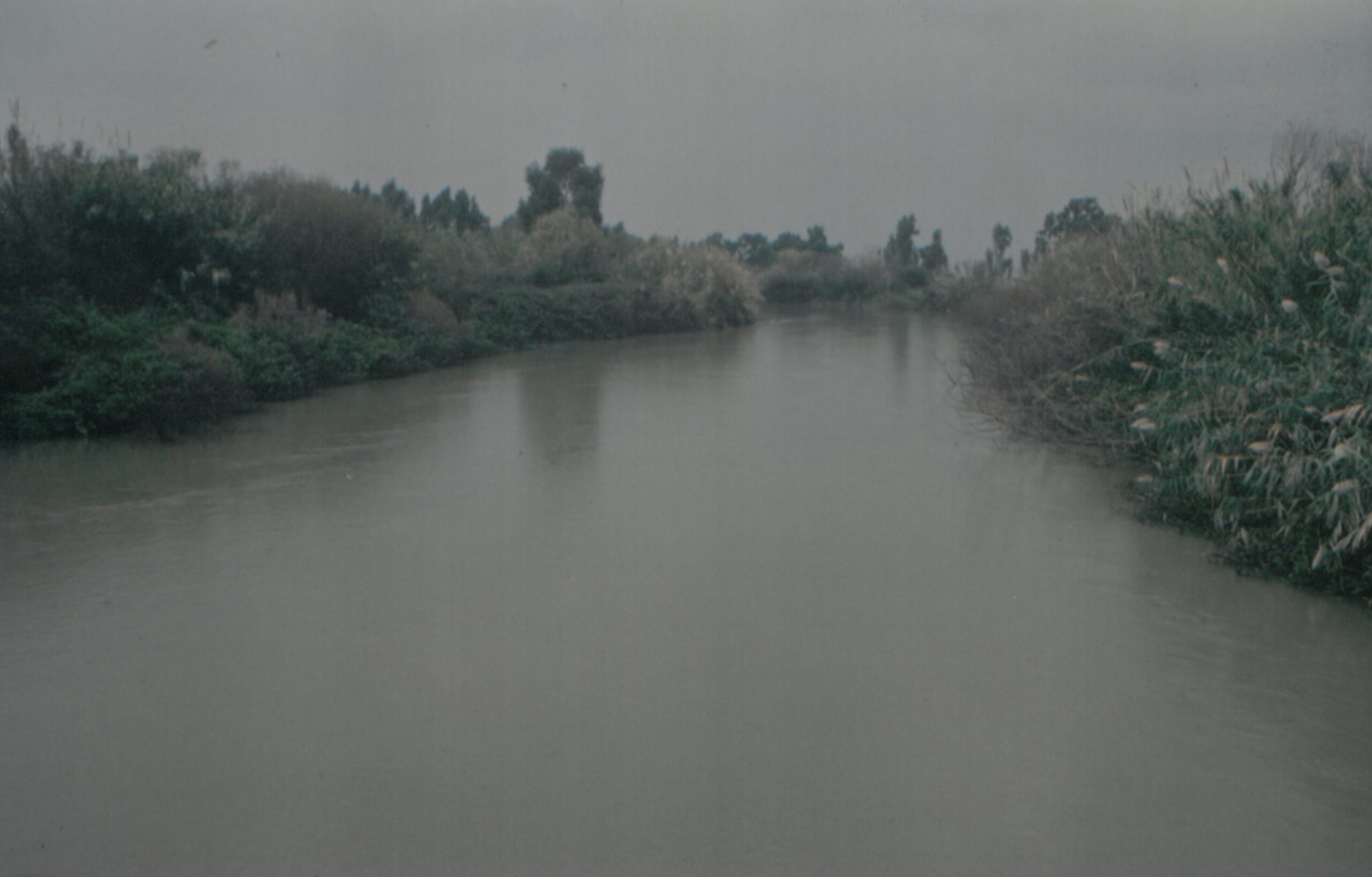
3. Jordan River (picture & display case): This is the Jordan River as it flows into the Sea of Galilee from the north. The display case contains an artifact recovered near this location.
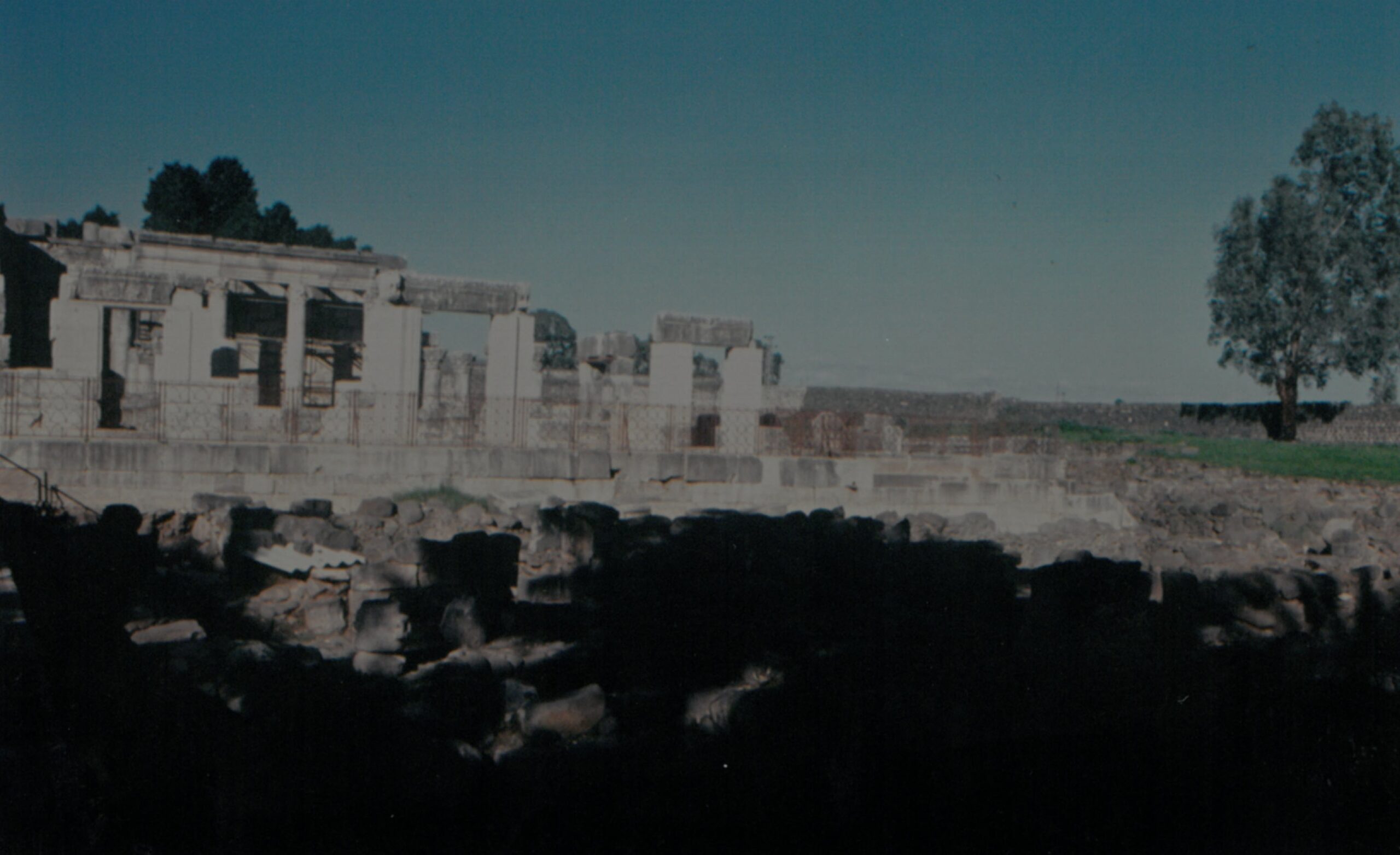
4. Capernaum (picture only): In Capernaum Jesus healed a centurion’s son (Matthew 8), a paralytic (Matthew 9), Simon Peter’s mother-in-law (Mark 1), and a nobleman’s son (John 4). He also cast out demons (Mark 1 & 5), healed a woman who was bleeding and raised Jairus’s daughter to life (Mark 5).
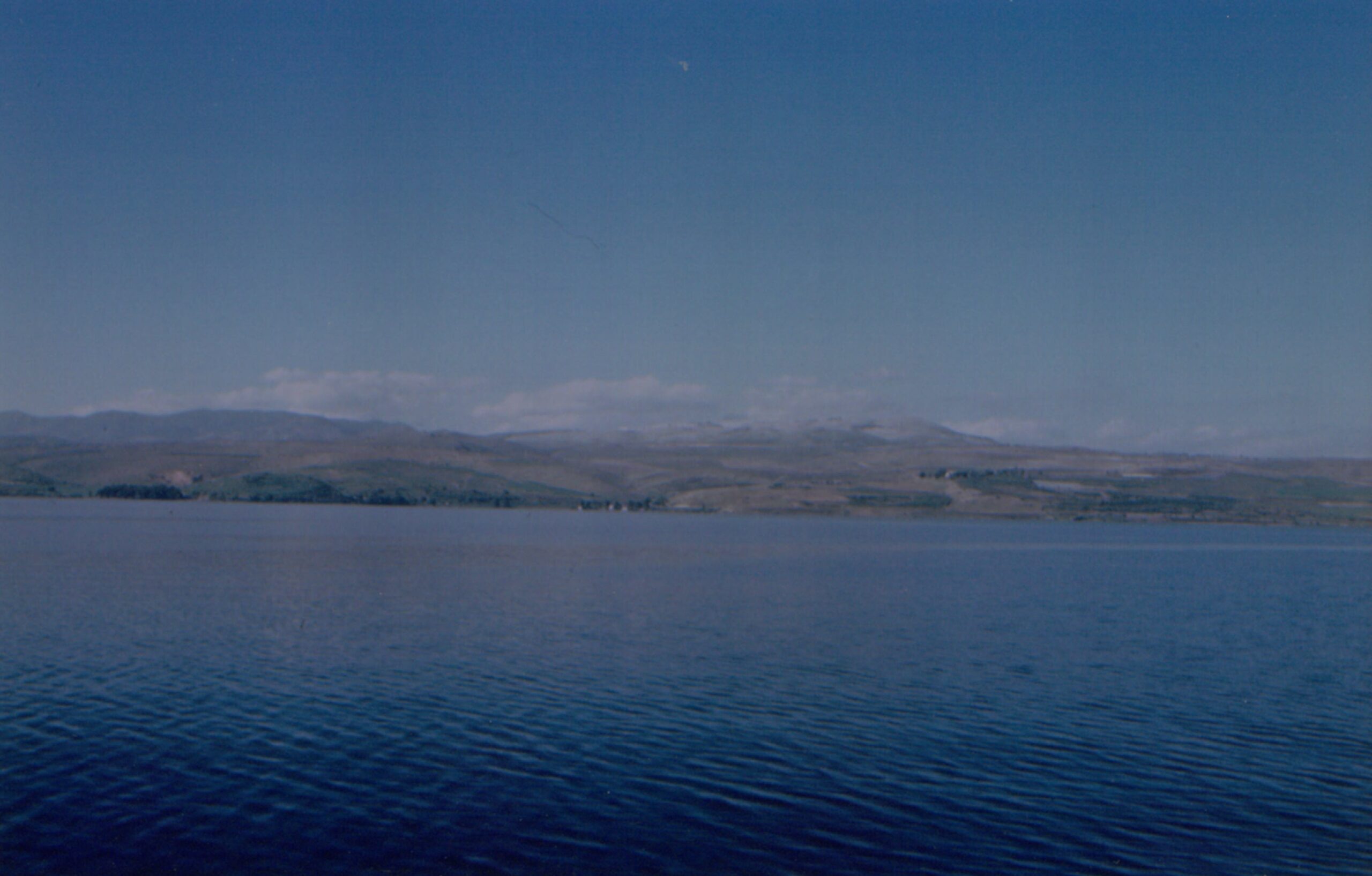
5. Sea of Galilee (picture only): The Sea of Galilee is also known as the Sea of Chinnereth (in the Old Testament), Lake Kinneret, Lake of Gennesaret, and Lake Tiberias.
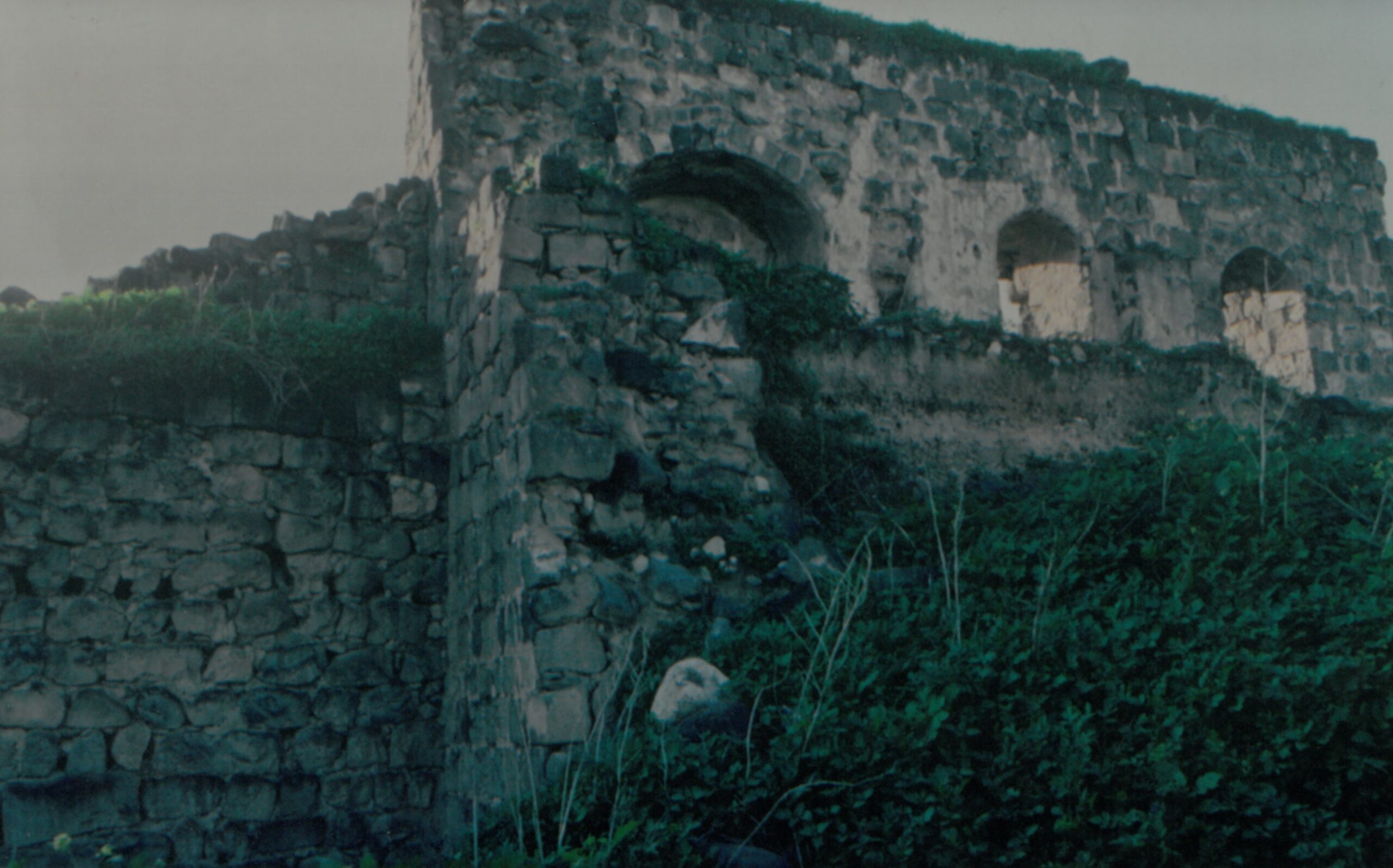
6. Ancient Wall, Tiberias (picture & display case): Tiberias was located on the western shore of the Sea of Galilee. It was founded around 20 CE by Herod Antipas and was named after the Roman emperor Tiberius. The wall that surrounded Tiberias was 3 miles in circumference. The display case contains a piece from this wall.
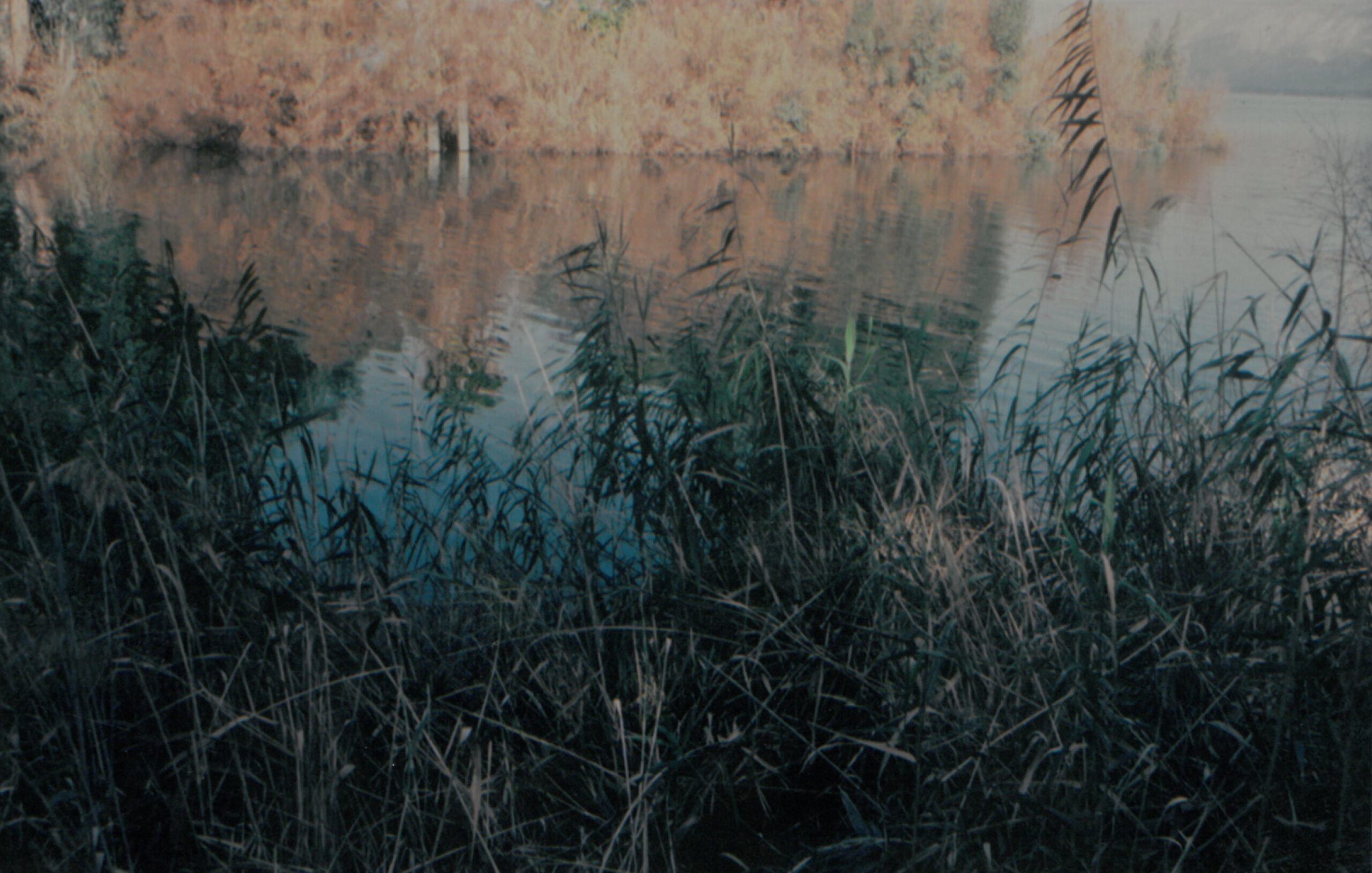
7. Jordan River (picture only): This is the Jordan River as it flows out from the southern shore of the Sea of Galilee towards the Dead Sea.
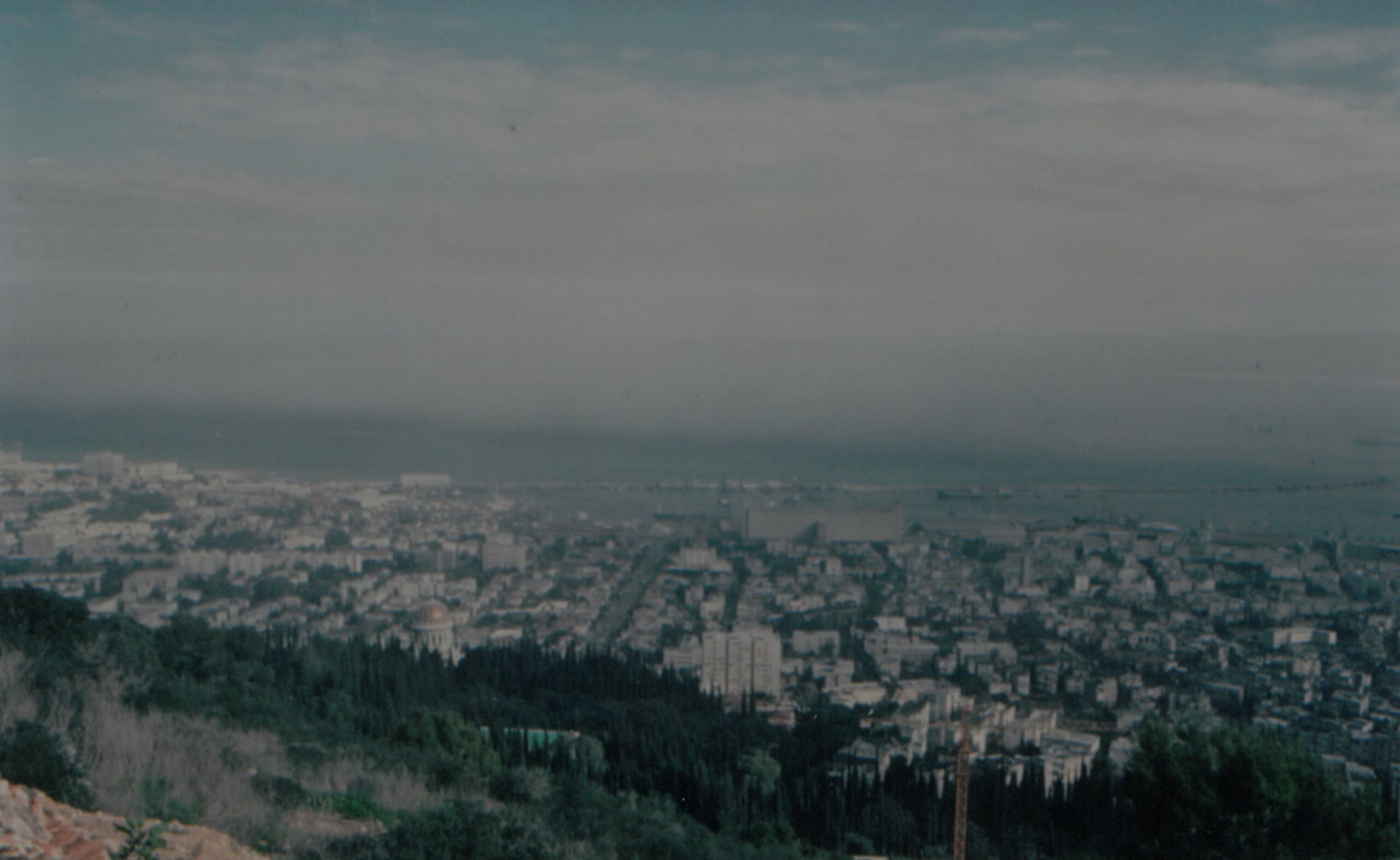
8. Mt. Carmel (picture & display case): The picture shows a view of the Mediterranean Sea from Mt. Carmel. It was at Mt. Carmel that Elijah challenged 450 prophets of Baal and God sent a fireball to consume the sacrifice Elijah prepared for Him (1 Kings 18).
9. Mediterranean Sea (display case only): The display case contains an artifact recovered in Israel from the shore of the Mediterranean Sea.
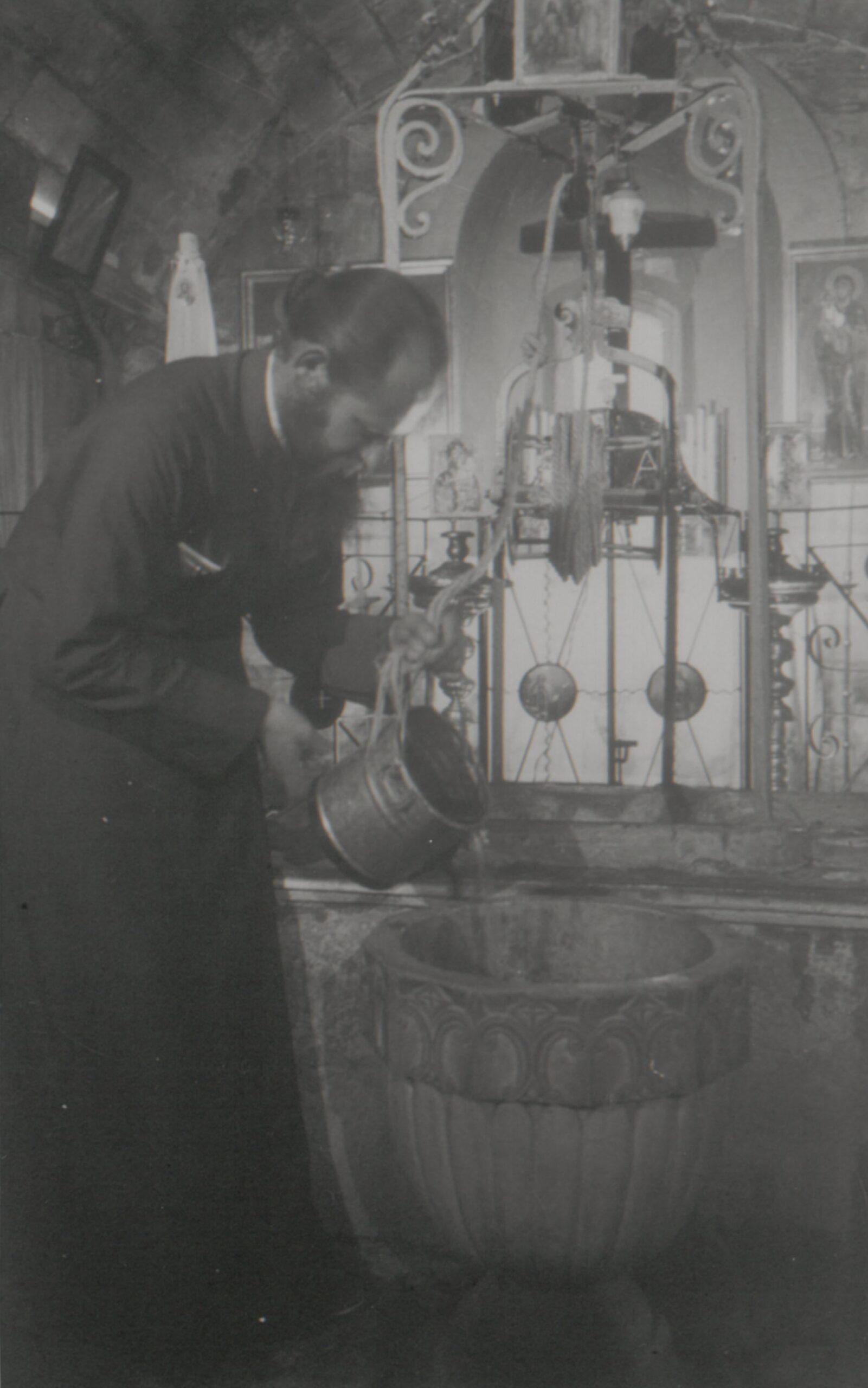
10. Jacob’s Well, Shechem (picture only): Jacob’s well was the site where Jesus asked a Samaritan woman for a drink and offered her “living water” in return (John 4:5-42). Today, Jacob’s well is found inside a Greek Orthodox church in the city of Nablus in the West Bank.
11. Roman Oil Lamp, ca. 100 BCE – 200 CE (display case only): Early Roman clay lamps were commonly made from molds. They typically had a rounded body and included a handle. Matthew 25 recounts Jesus’ parable of the wise and foolish virgins waiting for the bridegroom with oil lamps such as this.
12. Byzantine Oil Lamp, ca. 300 CE (display case only): Prevalent from the 4th to 7th centuries CE, Byzantine oil lamps are characterized by their oval or almond-shape, often with a single nozzle. They differ from the rounder Roman lamps that preceded them. This Byzantine oil lamp is made of clay. Common decorations on clay lamps included menorahs or palm branches.
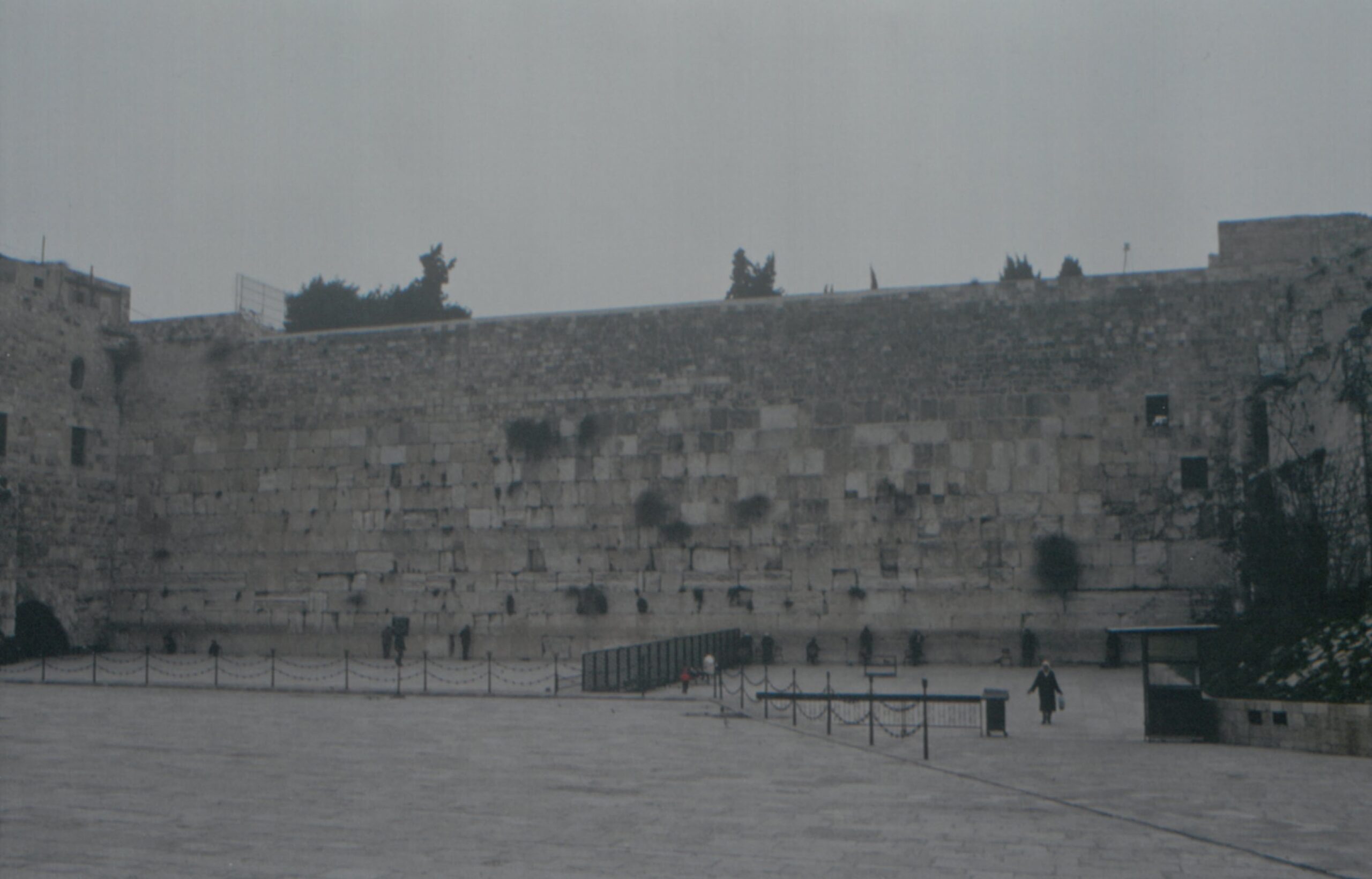
13. Western Wall, Jerusalem (picture & display case): The Western Wall is a remnant of the retaining wall that King Herod built around the Temple Mount at Jerusalem in the 1st century BCE.
14. Menorah (display case only): A menorah is in the center of the display case. Menorahs are used in many Jewish rituals and celebrations, including the celebration of Hanukkah.
15. Widow’s Mites (display case only): These two small copper coins (mites) are 2,000 years old. They are similar to the mites that Jesus observed a widow donating to the temple treasury in Jerusalem (Mark 12:41-44; Luke 21:1-4).
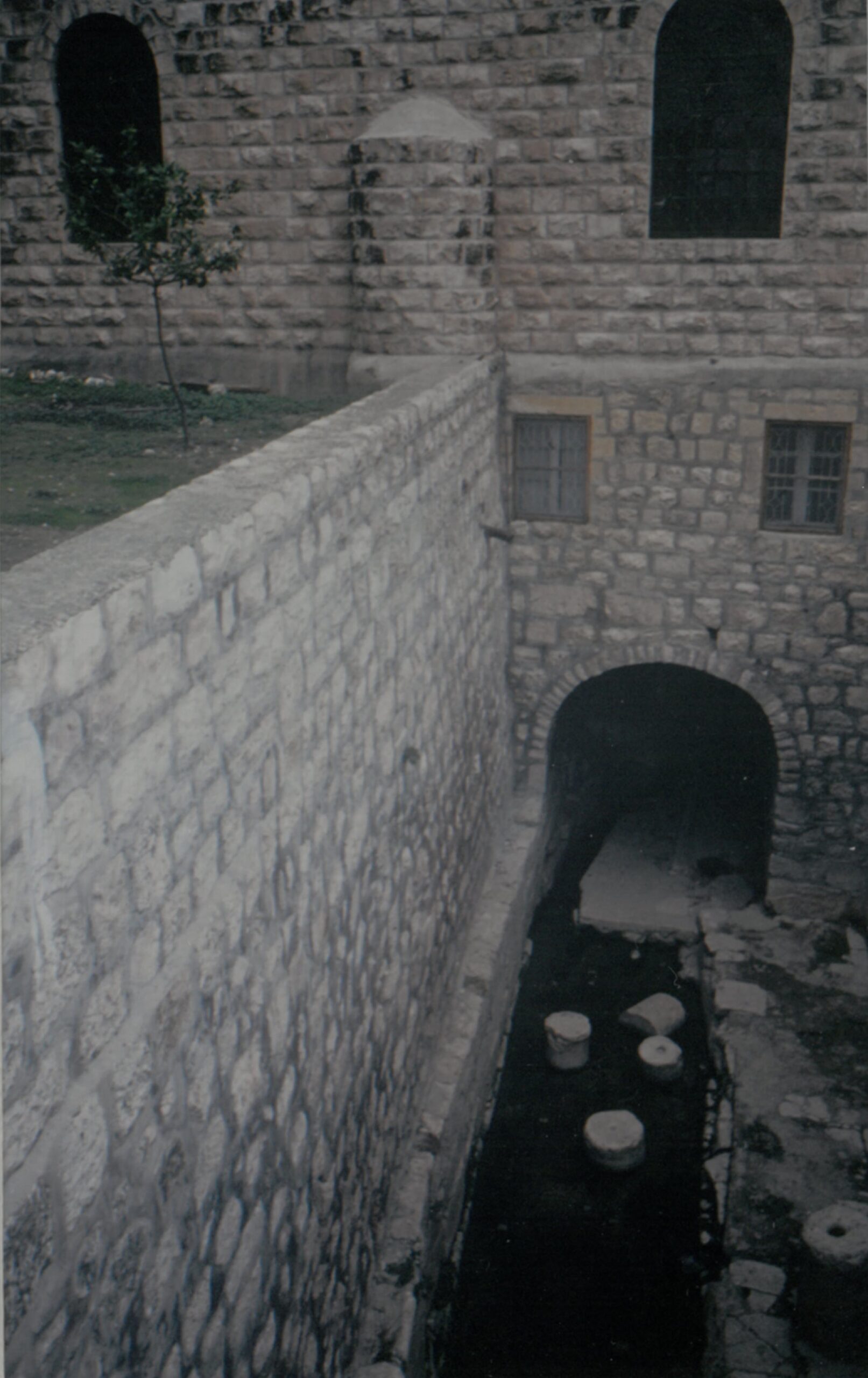
16. Hezekiah’s Tunnel and the Pool of Siloam, Jerusalem (picture only): Under King Sennacherib, the Assyrian army besieged Jerusalem in 701 BCE. To prepare for the upcoming siege and ensure Jerusalem would have a secure water supply within its walls, King Hezekiah of Judah constructed a tunnel to channel water from the Gihon Spring to the Pool of Siloam (2 Kings 20:20; 2 Chronicles 32:2-4, 30). When the Assyrians finally besieged Jerusalem, the angel of the Lord put to death 185,000 men in the Assyrian camp, and the Assyrians withdrew to Nineveh (2 Kings 19:35-36). The Bible also records Jesus’ miraculous healing of a man who was born blind which occurred at the Pool of Siloam (John 9:1-12).
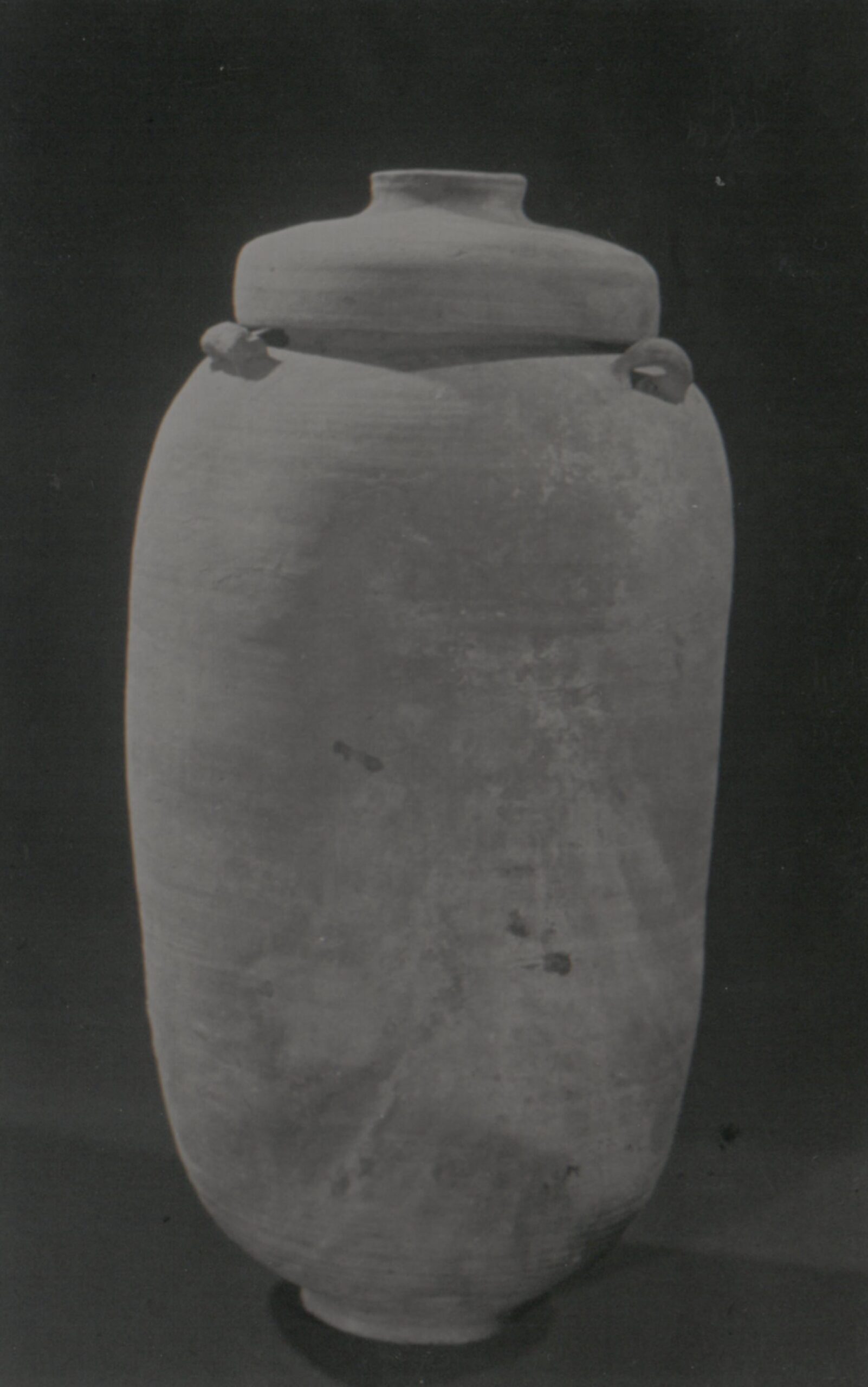
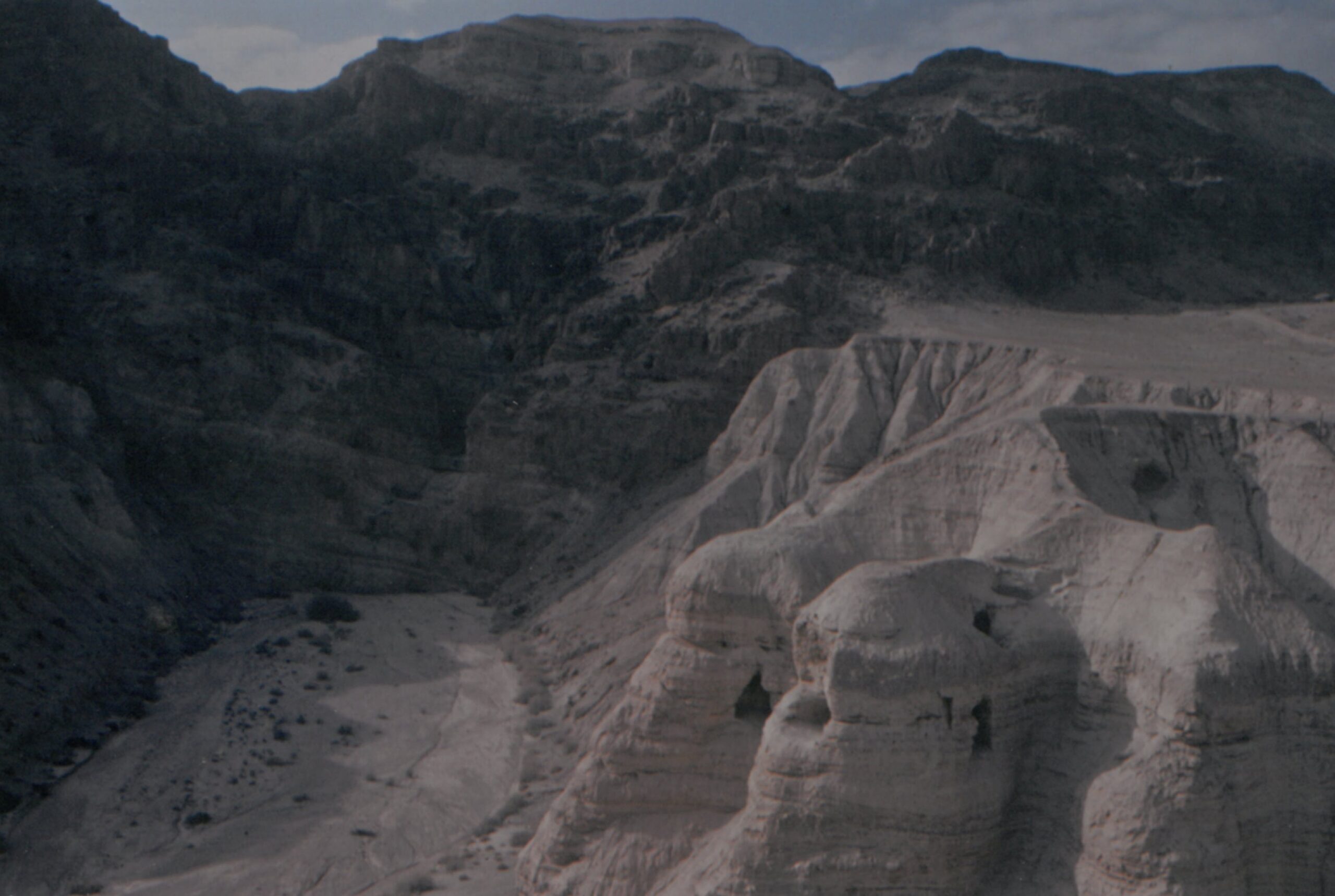
17. Qumran (pictures & display case): The Qumran caves were primarily inhabited by a Jewish sect known as the Essenes from about 150 BCE to 68 CE. Qumran is located approximately 6 miles south of Jericho and 1 mile from the northwestern shore of the Dead Sea. Also pictured is one of the clay pots in which the Dead Sea Scrolls were found. The display case contains scale-sized replicas of various clay pots, and a rock recovered from Qumran.
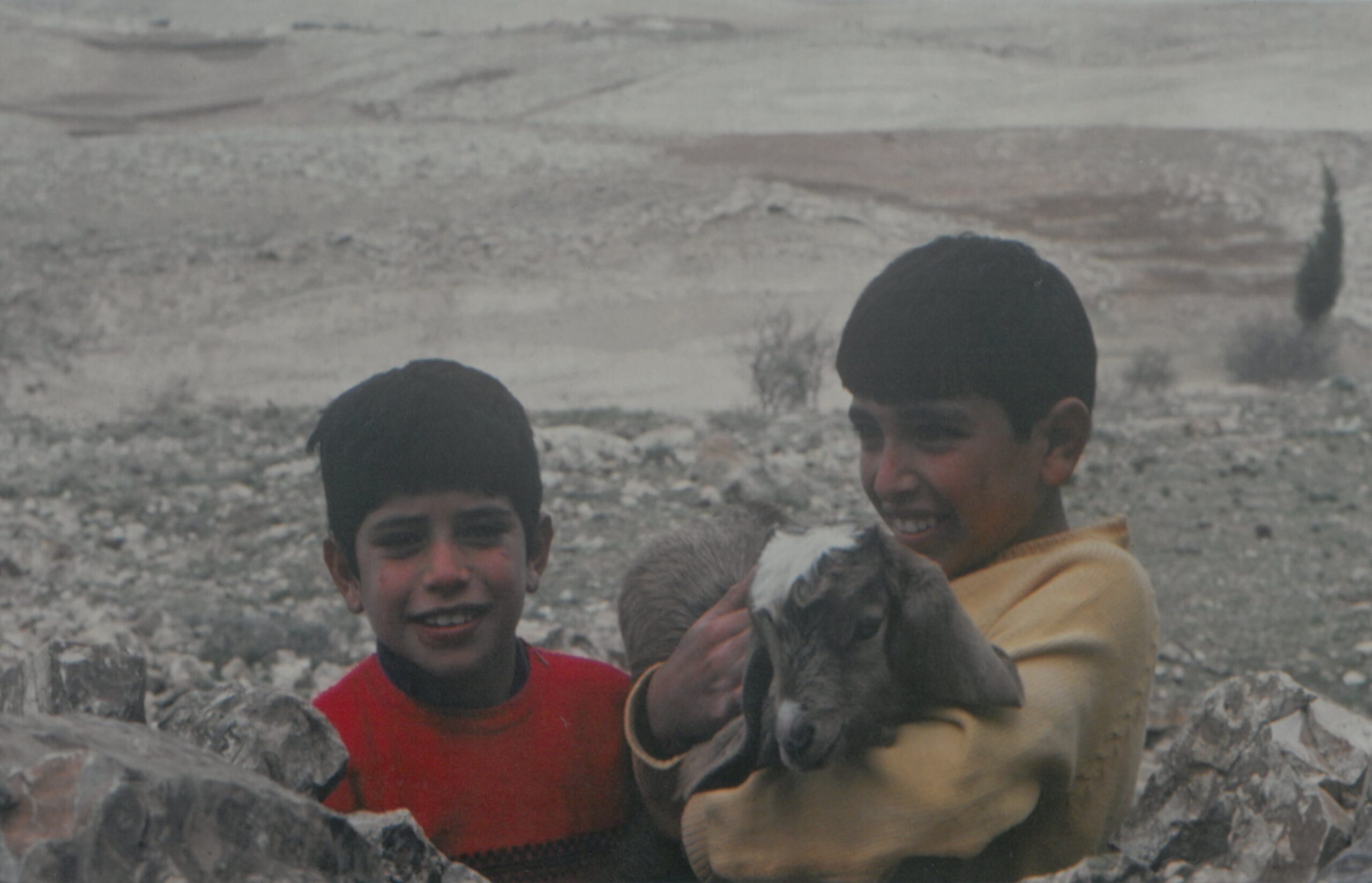
18. Shepherd’s Field, near Bethlehem (picture & display case):
Luke 2:8-20 describes how an angel appeared to shepherds in the fields near Bethlehem to announce the birth of Jesus, the Savior.
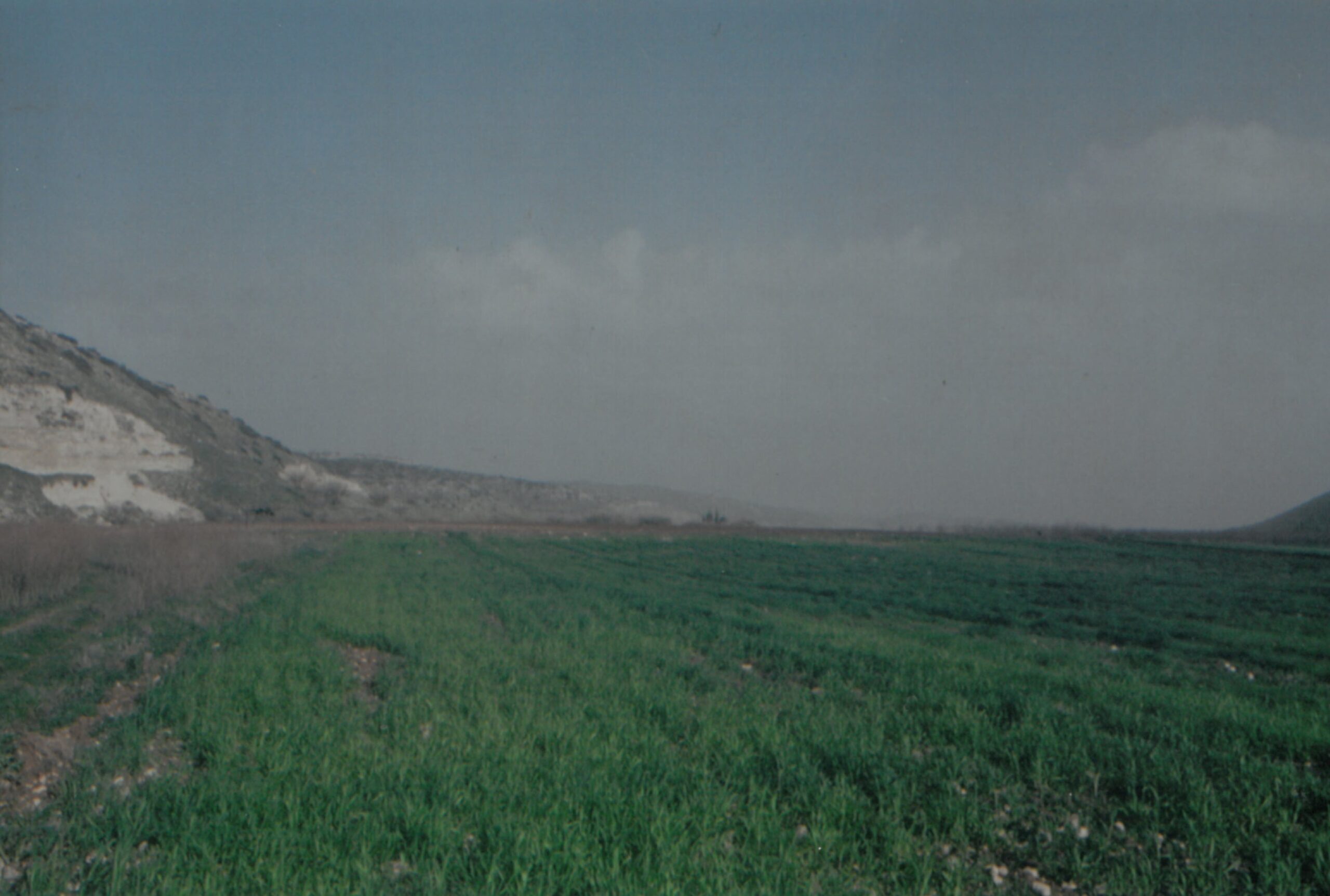
19. Valley of Elah (picture & display case): 1 Samuel 17 tells the story of how David defeated Goliath in the Valley of Elah.
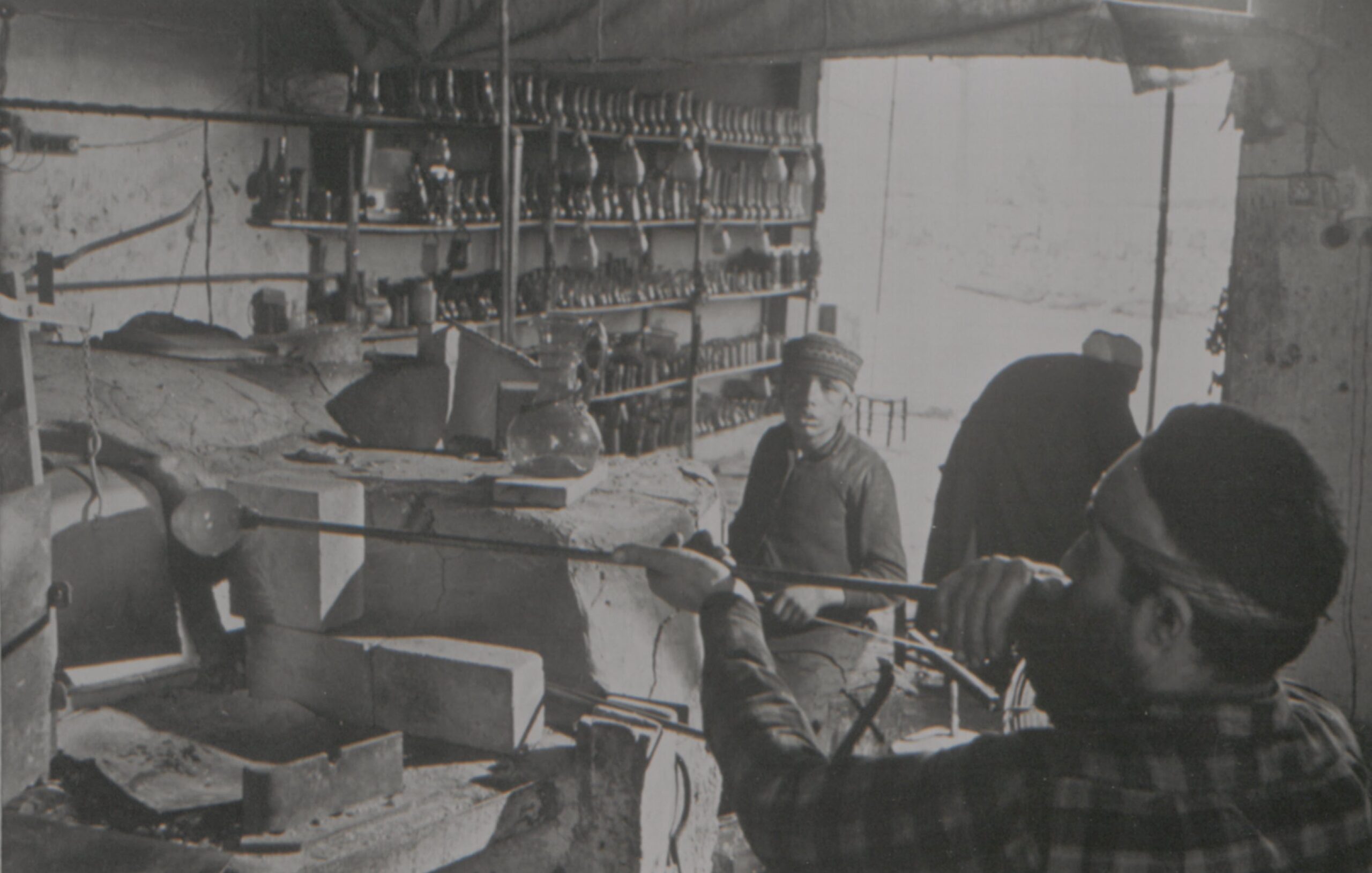
20. Hebron Glass (picture & display case): The picture shows glassmakers practicing their art in Hebron. The display case contains a small pitcher made from blue Hebron glass.
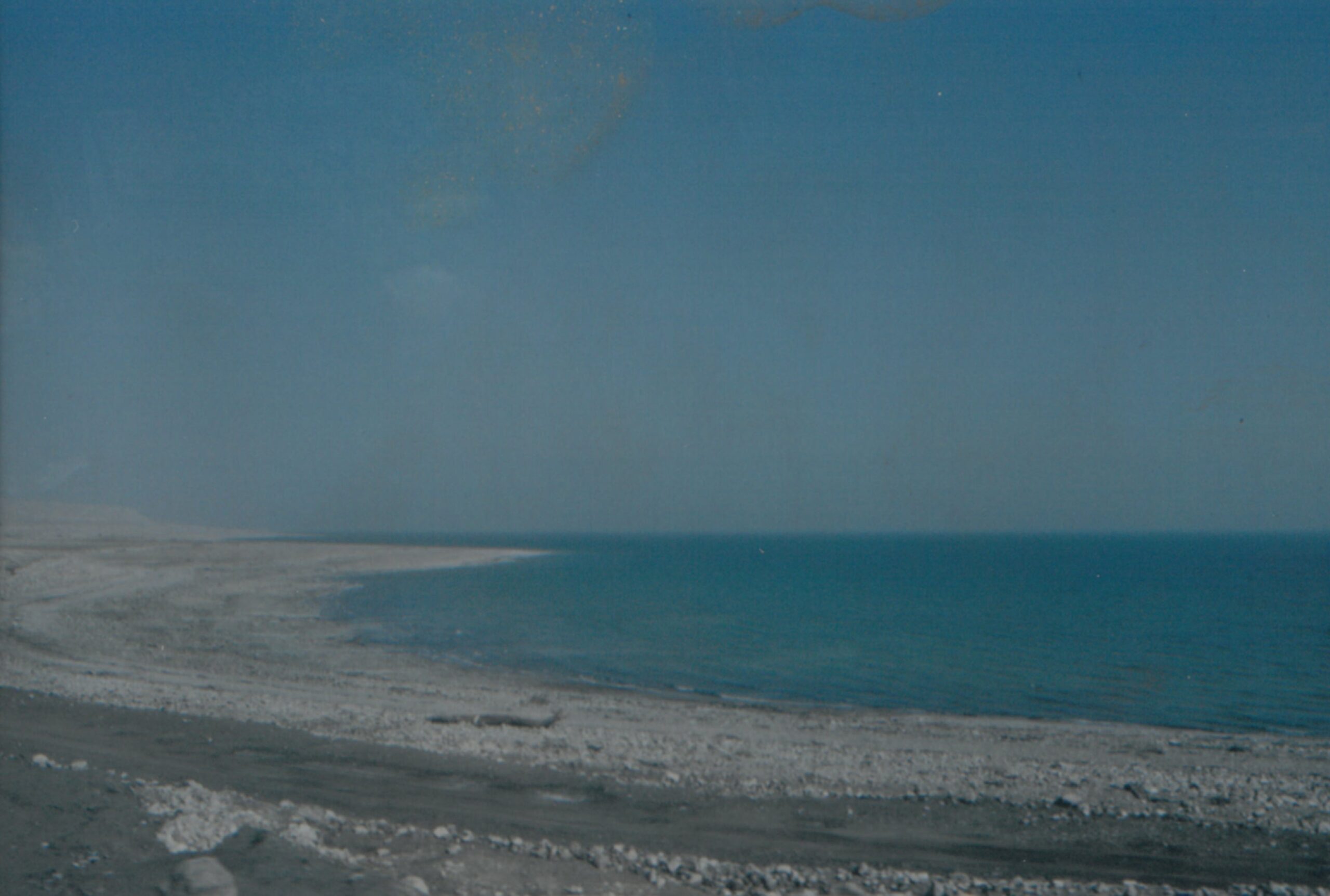
21. Dead Sea (picture only): The surface of the Dead Sea is 1,443 ft below sea level, making it the lowest land-based elevation on Earth. At 997 ft deep, it is also the deepest and one of the saltiest bodies of water in the world. The salinity concentration creates a harsh environment in which plants and animals cannot flourish.
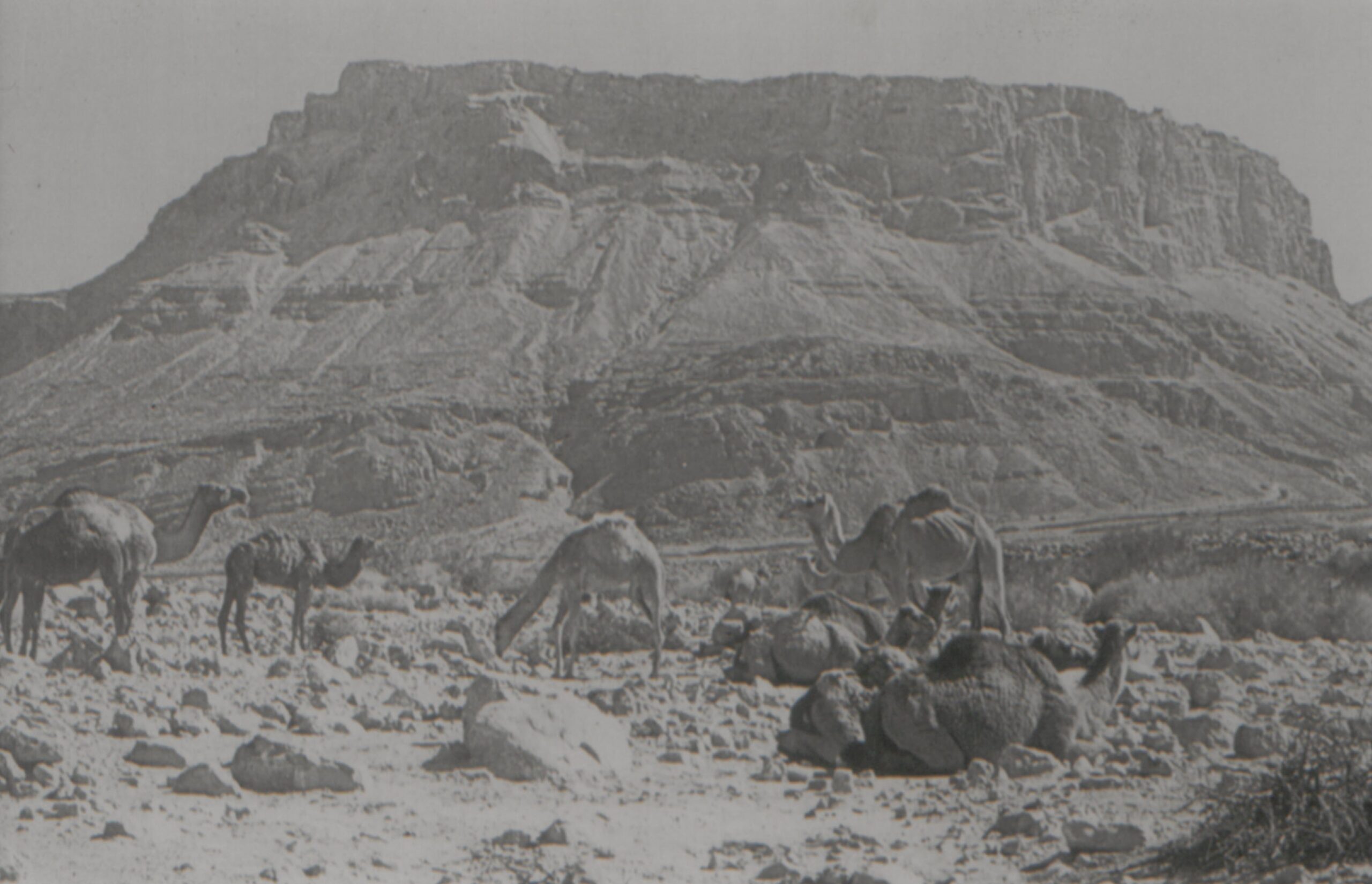
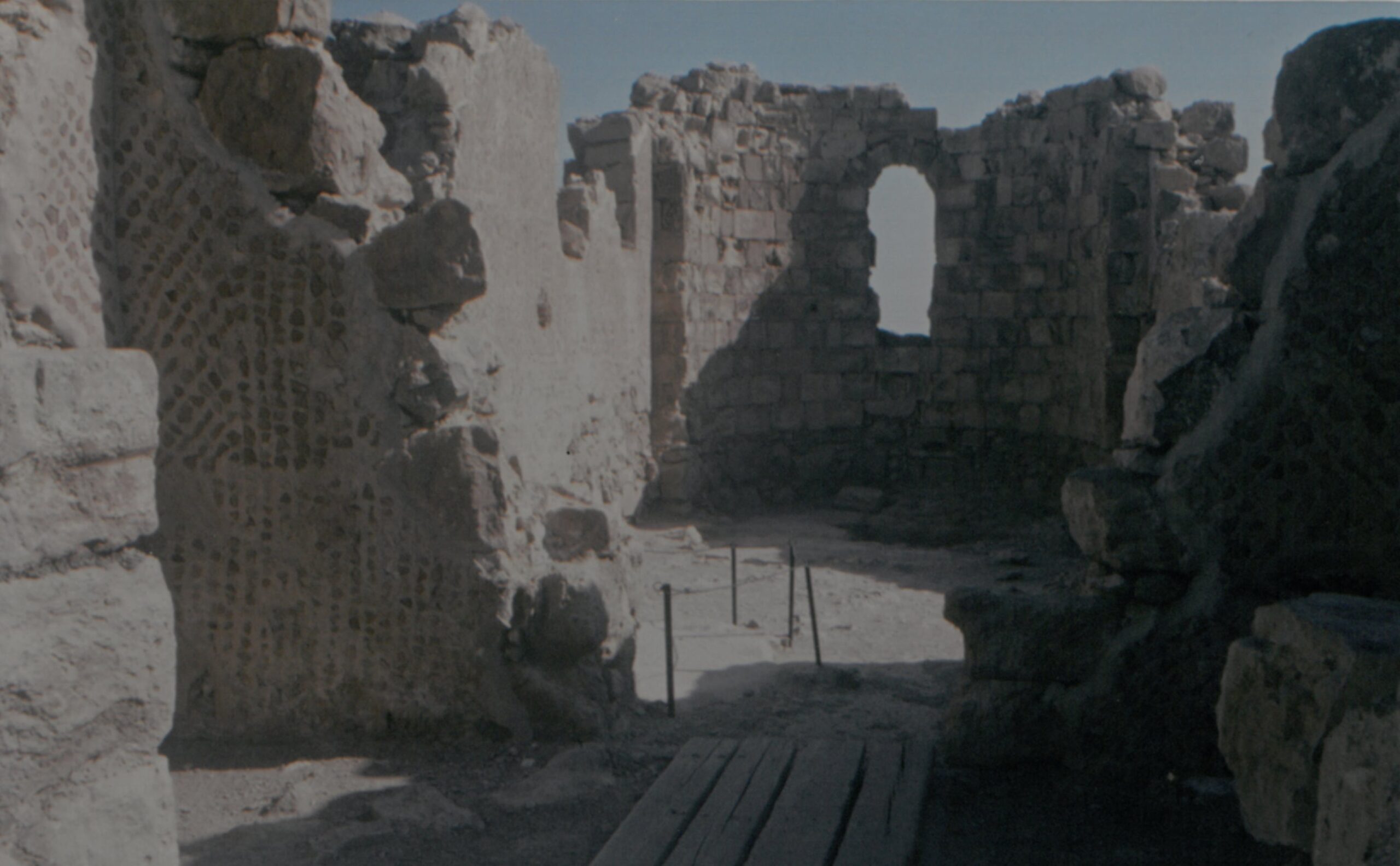
22. Masada (pictures & display case): Masada was a mountain-top fortress that rose 1,300 ft. above the western shore of the Dead Sea. Jewish rebels retreated to Masada after the Roman Emperor Titus destroyed most of Jerusalem, including the Second Temple, in 70 CE. The Roman army built a massive ramp to attack the fortress. Josephus recorded that when the Romans finally breached its walls in 73 CE they discovered nearly 1,000 of its inhabitants had already committed suicide.
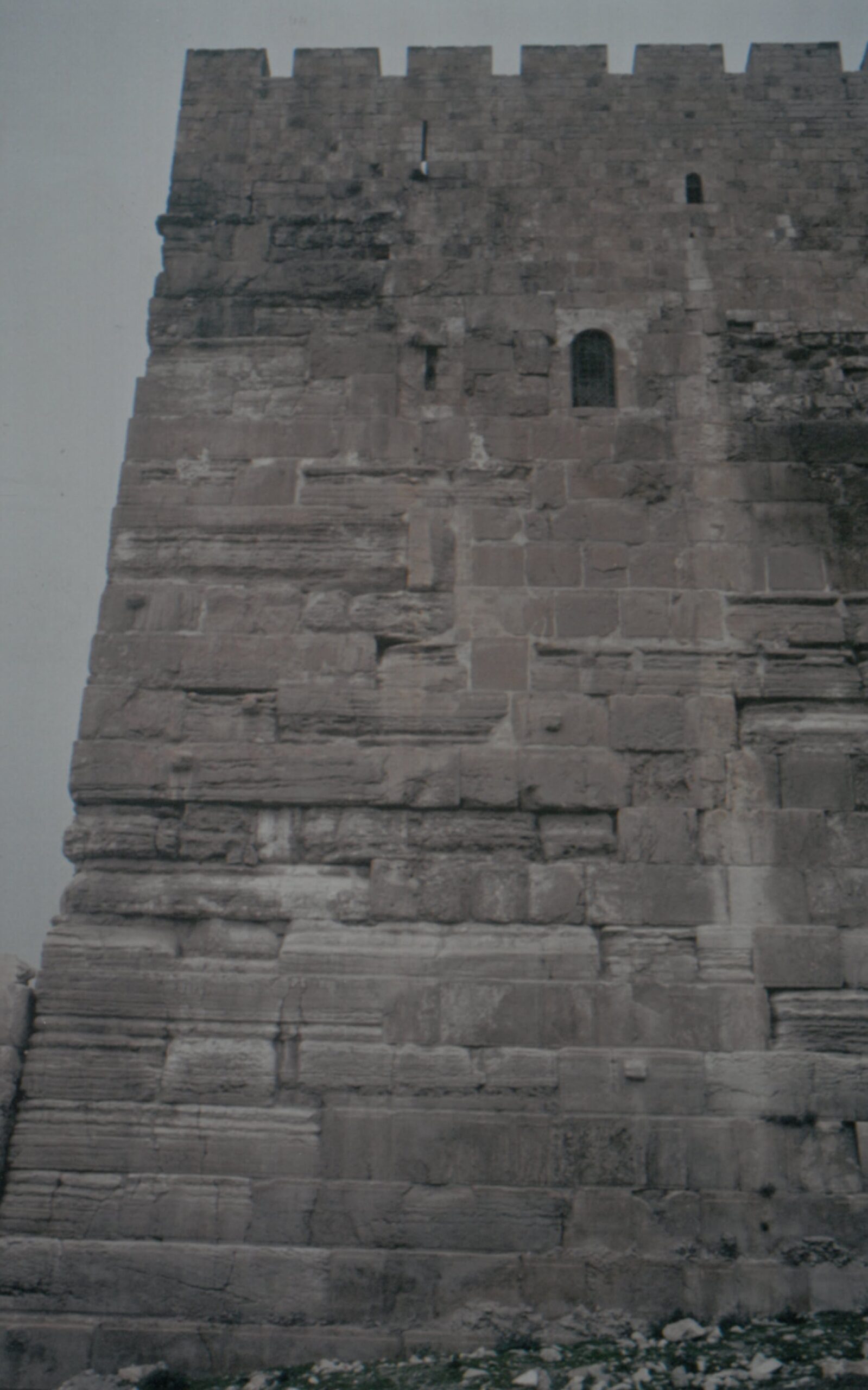
23. Tower of David, Jerusalem (picture only): A fortress protected the northwest corner of the “upper city” of ancient Jerusalem, near the Jaffa Gate. Originally built in the second century BCE, it was given the name “Tower of David” during the Byzantine period.